
Blog
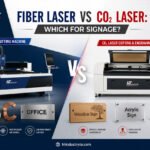
Fiber laser vs CO2 laser: which for signage?
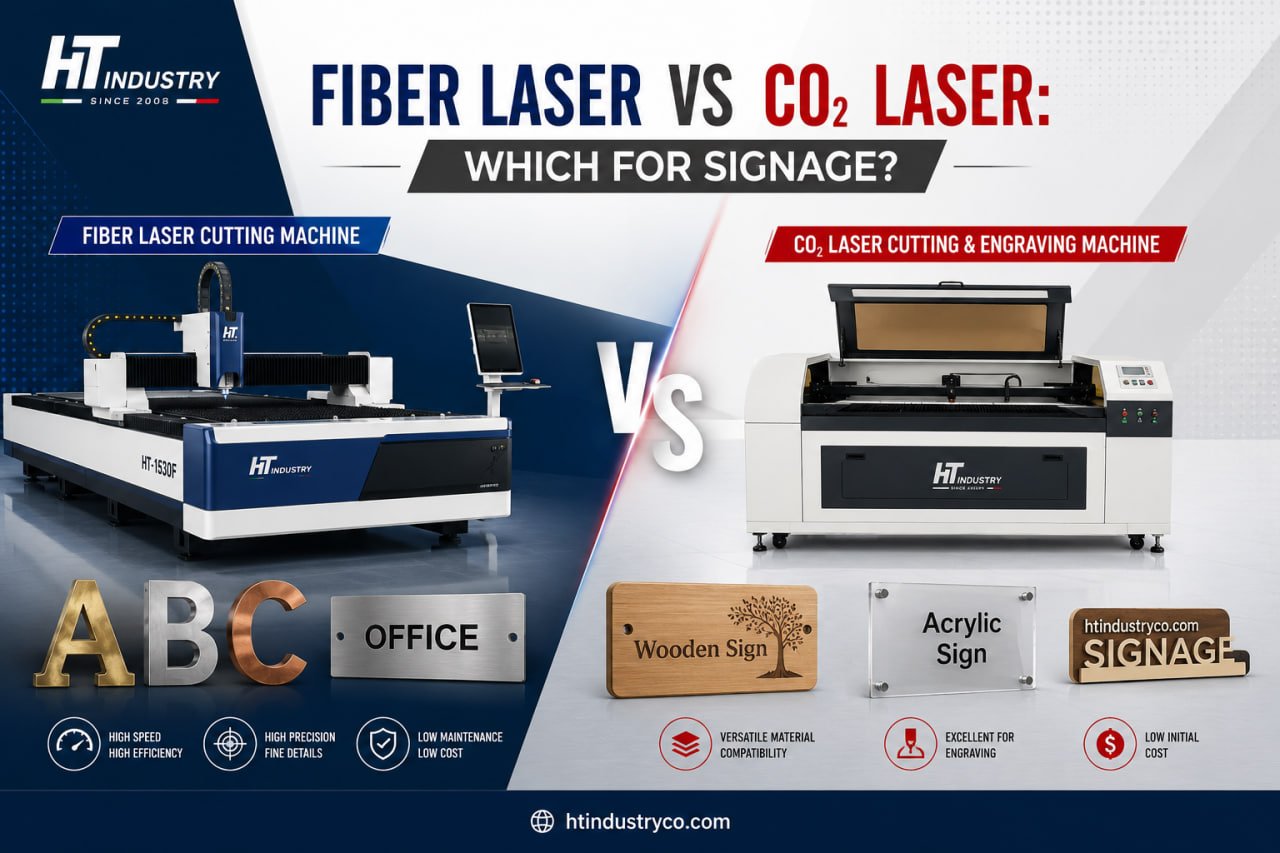
Table of Contents
The Signage Dilemma
The Core Difference — Wavelength & Material Match
Everything comes down to a single number: the wavelength of light the laser produces.
A CO2 laser emits infrared light at roughly 10.6 µm. That wavelength is readily absorbed by organic materials — acrylic, wood, plastics, glass, fabric, paper. The energy converts cleanly into heat at the material surface, which is why CO2 cuts crisp acrylic edges and engraves wood beautifully.
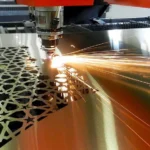
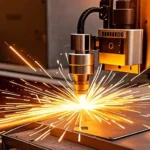
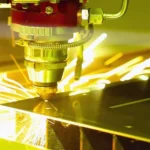
A fiber laser emits at roughly 1.06 µm — about ten times shorter. That shorter wavelength is strongly absorbed by metals, which reflect and shrug off the CO2 wavelength. This is why fiber rips through stainless and aluminum that a CO2 laser can barely mark.
The plain-English takeaway: the laser has to match what the material absorbs. No amount of extra wattage makes a fiber laser cut acrylic well, and no marking agent fully closes the gap when you ask a CO2 laser to work bare metal.
One more structural difference worth knowing: a fiber laser is solid-state, generating its beam through fiber optics with very few moving parts. A CO2 laser relies on a sealed gas tube and a path of mirrors that must stay aligned. That design gap drives much of the maintenance and lifespan story you’ll see in the cost section below.
Head-to-Head Comparison for Signage
Factor | CO2 Laser | Fiber Laser |
|---|---|---|
Best signage materials | Acrylic, wood, plastics, glass, fabric | Stainless steel, aluminum, brass, copper |
| Acrylic edge quality | Excellent — flame-polished, clear edges | Not suitable for cutting acrylic |
| Metal cutting/marking | Limited; needs marking agents on bare metal | Excellent — fast, clean, permanent |
| Engraving detail | Great on organics | Great on metals (fine text, logos) |
| Cutting speed (metal) | Slower | Significantly faster |
| Upfront cost | Lower entry point | Higher initial investment |
| Maintenance | Tube replacement, mirror alignment, gas | Near-zero consumables, no mirror alignment |
| Energy use | Higher | Lower (notable annual savings) |
| Lifespan | Shorter source life | Longer source life |
| Ideal sign shop use | Illuminated acrylic signs, channel letter faces, wood signage | Metal storefront letters, brass plaques, ADA & industrial signage |
Acrylic & Wood — Why CO2 Wins
Metal & Brass — Why Fiber Wins
Cost Analysis — ROI for a Sign Shop
Cost area | CO2 Laser | Fiber Laser |
|---|---|---|
| Beam source | Tube wears and eventually needs replacement | Long source life, no tube to replace |
| Optics | Mirrors require periodic alignment | No mirror alignment required |
| Consumables/gas | Ongoing gas and consumable costs | Near-zero consumables |
| Energy use | Higher draw | Lower draw — notable annual savings |
| Source lifespan | Shorter | Longer |
Which Machine Does Hightech Recommend?
Your primary work | Production volume | Recommended machine |
|---|---|---|
| Acrylic faces, channel letters, wood | Any | CO2 laser |
| Stainless/aluminum letters, brass plaques, ADA metal | Any | Fiber laser |
| Mixed, mostly organic | Low–medium | CO2 first, add fiber as metal work grows |
| Mixed, mostly metal | Medium–high | Fiber first, add CO2 for acrylic faces |
Frequently Asked Questions
Can a fiber laser cut wood?
Which laser is best for acrylic signs and channel letters?
Is a fiber laser worth the higher cost for a sign shop?
CO2 vs fiber — which has lower maintenance and running costs?
latest contents