

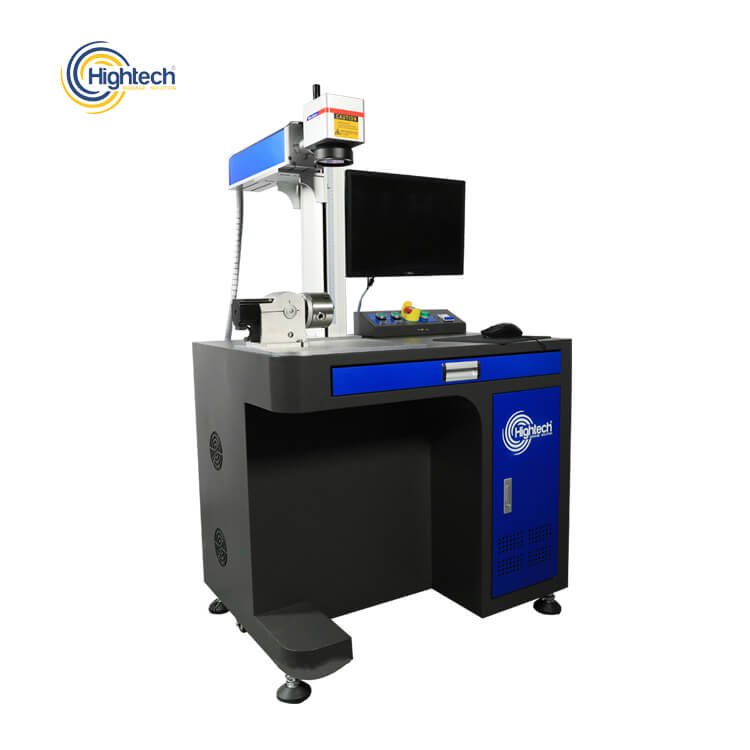
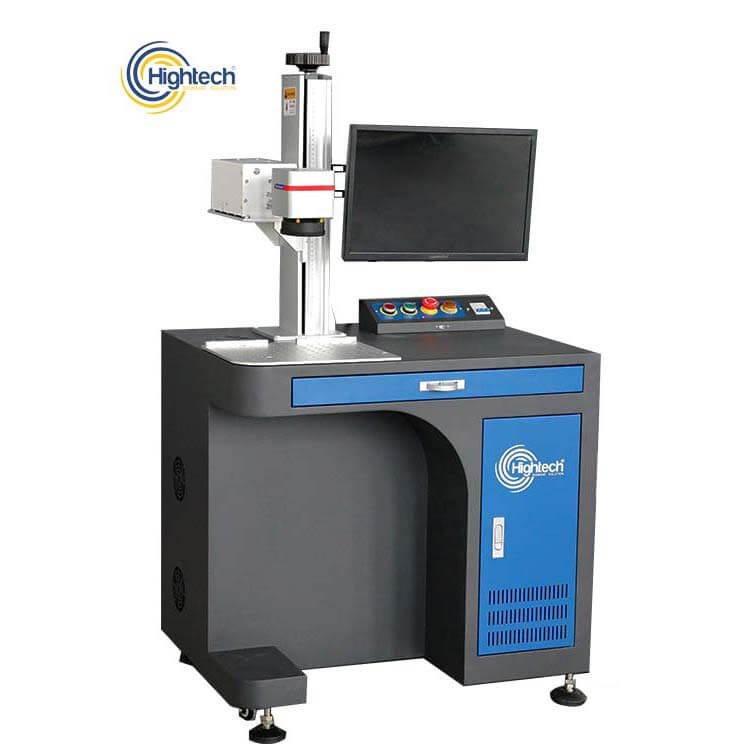
Marking Machines
Create permanent, readable identification on parts, products, packaging, and components with UV, MOPA, fiber, and CO₂ laser marking technologies for metals, plastics, coated surfaces, and heat-sensitive materials.


In 100+ Countries
Online or Local Where Available
Worldwide Shipping Available
Quick Response 24/7
Our Laser Marking Machine Technologies
Compare four laser marking technologies based on material compatibility, heat input, pulse behavior, marking detail, production speed, and the required appearance of the finished mark.
CO2 Laser Marking Machine
Fiber Laser Marking Machine
Mopa Laser Marking Machine
UV Laser Marking Machine
How to Choose the Right Marking Machine
Choose the right industrial marking machine by matching the laser source to your material, required contrast, heat sensitivity, mark detail, production speed, and automation requirements.
By Material Type
For general metal marking, start with Fiber. Use CO₂ for compatible non-metal materials such as wood and leather, while UV is suited to fine marking on polymers, coatings, electronics, glass, and other precision applications.
Choose by Surface and Marking Effect
Consider MOPA when the application requires greater pulse control or specialized metal-surface results such as anodized-aluminum blackening, stainless-steel color marking, or precision layer removal.
Choose by Mark Detail
For fine graphics, small codes, coated parts, electronics, and precision marking, evaluate UV. Its published specifications include a 355 nm wavelength and marking-line width of ≤0.01 mm.
Choose by Production Requirements
For repeated industrial metal marking, Fiber is a practical choice for fast and consistent identification, especially for serial numbers, codes, logos, and other repeatable production marks.
Choose by Part Shape & Marking Area
For flat parts, choose a marking area that fully covers the product. For rings, tubes, and other cylindrical metal parts, choose the Fiber Laser with its rotary-axis device.
Compare Laser Marking Machine Types
Each laser source interacts with materials differently. Compare the published specifications and application strengths of UV, MOPA, fiber, and CO₂ marking systems.
| Compare | UV Laser | MOPA Laser | Fiber Laser | CO₂ Laser |
|---|---|---|---|---|
| Laser Technology | UV Laser | MOPA Fiber Laser | Fiber Laser | CO₂ Laser |
| Maximum Marking Speed | ≤7,000 mm/s | ≤7,000 mm/s | ≤7,000 mm/s | ≤12,000 mm/s |
| Published Marking Detail |
Line width ≤0.01 mm Minimum character 0.2 mm Marking depth ≤0.01 mm |
Line width 0.01 mm Minimum character 0.2 mm |
Minimum character 0.15 mm Marking depth 0.01–5 mm |
Line width 0.09 mm Minimum character 0.15 mm Marking depth 0.01–2 mm |
| Typical Materials |
Coated surfaces, Delicate parts, Heat-sensitive materials, Fine-detail components |
Stainless steel, Anodized aluminum, Aluminum-oxide layers, Electronic components, ITO-coated materials |
Iron, Steel, Aluminum, Copper, Brass, Gold and silver jewelry, Ceramics, Plastic and rubber |
Leather, Wood, Plastic, Two-color board, Compatible solid materials |
| Primary Applications |
Small characters, Fine graphics, Serial numbers, Production dates, Coated-part identification |
Stainless-steel color marking, Anodized-aluminum blackening, Precision layer stripping, Fine line processing |
Serial numbers, Logos and text, Barcodes and QR codes, Industrial part identification |
Logos and text, Batch information, Packaging marks, Nonmetal product codes |
| Software / Cooling |
Compatible with AutoCAD, CorelDRAW and Photoshop workflows Supports data extraction and automatic serial/date content |
EZCAD |
EZCAD Forced air cooling |
Advanced marking software Air cooling |
| Product Page | View UV Laser | View MOPA Laser | View Fiber Laser | View CO₂ Laser |
Why Choose Hightech for Marking Machines?
Application-Matched Laser Technologies
Choose from UV, MOPA, fiber, and CO₂ systems instead of forcing different materials and marking requirements into one general-purpose technology.
Fine, Fast and Repeatable Marking
Published machine specifications include fine character and line capabilities together with marking speeds suited to detailed identification and repeated industrial production.
Software and Variable-Data Support
Selected systems support design-software workflows, EZCAD operation, data extraction, automatic serial numbers, production dates, logos, and other fixed or variable marking content.
Warranty & Lifetime Support
Hightech machines include a one-year warranty and lifetime technical support, with remote installation guidance, machine setup, operator training, troubleshooting, software assistance, and maintenance support.
Materials and Permanent Marking Applications
Material compatibility is the first decision when selecting a marking machine. The final result can change with surface finish, coating, polymer formulation, color additives, required contrast, and environmental durability.
Metals and Industrial Alloys
Mark steel, stainless steel, aluminum, brass, copper, tools, components, nameplates, automotive parts, and fabricated products.
Plastics and Heat-Sensitive Materials
Compare UV and CO₂ technologies according to polymer formulation, additives, surface color, heat sensitivity, and the required contrast.
Acrylic, Wood, Paper and Leather
Create text, logos, batch data, decorative marks, and product identification on compatible organic and nonmetal materials.
Coated and Anodized Surfaces
Use the appropriate pulse behavior for anodized-aluminum blackening, coating removal, fine surface processing, and controlled contrast.
Serial Numbers, Logos and Date Codes
Apply fixed or variable text, serial numbers, production dates, batch codes, logos, compliance details, and product-specific graphics.
Barcodes and QR Codes
Place machine-readable identification directly on parts for manufacturing records, inspection data, inventory, warranty, and service history.
Choose the Laser Source Around the Application
Laser source selection determines how heat, pulse behavior, wavelength, and energy interact with the workpiece. The correct technology should be selected around the real material, required contrast, mark size, and production target.
UV Laser Marking for Heat-Sensitive Materials
The UV laser marking machine uses a 355 nm source with available power from 3 to 10 W. Its published 100 × 100 mm marking range, line width of 0.01 mm or less, and speed up to 7,000 mm/s support small characters, fine graphics, coated parts, and delicate surfaces where excessive heat could deform or discolor the material.
MOPA Laser Marking for Flexible Pulse Control
The MOPA laser marking machine provides adjustable pulse duration from 2 to 500 ns and repeat frequency from 1 to 4,000 kHz. This flexibility supports stainless-steel color marking, black marking on anodized aluminum, precision layer stripping, detailed line work, and controlled surface processing.
Fiber Laser Marking for Metals and Industrial Parts
Fiber laser marking is designed for permanent identification on steel, aluminum, brass, copper, and other industrial materials. It is suitable for tools, components, nameplates, electronics, automotive parts, fabricated products, serial numbers, logos, text, barcodes, and QR codes.
CO2 Laser Marking for Plastics and Organic Materials
CO₂ laser marking is used for leather, wood, plastic, two-color board, and other compatible solid nonmetal materials. Common outputs include text, logos, batch information, and product codes.
Frequently Asked Questions
What Are Marking Machines?
Marking machines apply permanent or durable information to a product or component. Laser systems can create text, serial numbers, production dates, logos, barcodes, and QR codes without direct tool contact.
What Are the Different Types of Laser Marking Machines?
Hightech offers UV, MOPA, fiber, and CO₂ laser marking machines. Each source is selected according to material compatibility, heat sensitivity, required contrast, mark detail, and production target.
What Materials Can Marking Machines Mark?
Material compatibility varies by laser technology. The product range covers metals such as iron, steel, aluminum, copper, and brass, as well as nonmetals such as leather, wood, plastic, and two-color board.
Which Marking Machine Is Best for Permanent Metal Marking?
Fiber laser is the primary option for general industrial metal marking. Choose MOPA when adjustable pulse control, stainless-steel color, anodized-aluminum blackening, or delicate surface processing is required.
Can Laser Marking Create High-Contrast Marks on Plastic?
Yes, but the result depends on the polymer formulation, additives, color, coating, and surface. UV and CO₂ technologies should be compared using the actual material and required contrast.
Can Marking Machines Produce QR Codes and Barcodes?
Yes. The code must have sufficient size, contrast, and cell definition for the selected scanner, surface condition, reading environment, and any required verification method.
How Do I Choose Between UV, MOPA, Fiber and CO₂?
Choose UV for fine, low-heat marking; MOPA for adjustable pulse control and specialized metal effects; fiber for industrial metal identification; and CO₂ for many plastics and organic materials. Confirm the choice with application testing.
Can You Test My Material Before I Order?
A sample-marking test is recommended when surface finish, coating, polymer additives, required contrast, or mark durability could affect the result. Share material samples and the required artwork or code.
What Information Is Needed for a Marking Machine Quote?
Provide the material, surface condition, part dimensions, marking area, required content, desired contrast, production speed, automation method, voltage, and any rotary, enclosure, extraction, or positioning requirements.
Do You Provide Training and After-Sales Support?
Yes. Hightech marking machines include a one-year warranty and lifetime after-sales technical support. Support includes remote installation guidance, machine setup, operator training, software assistance, troubleshooting, and maintenance guidance. Local or in-person technical support may also be available in supported regions.