


Blog
Channel Letter Bending Machines Maintenance: A Complete Guide for Long-Term Performance
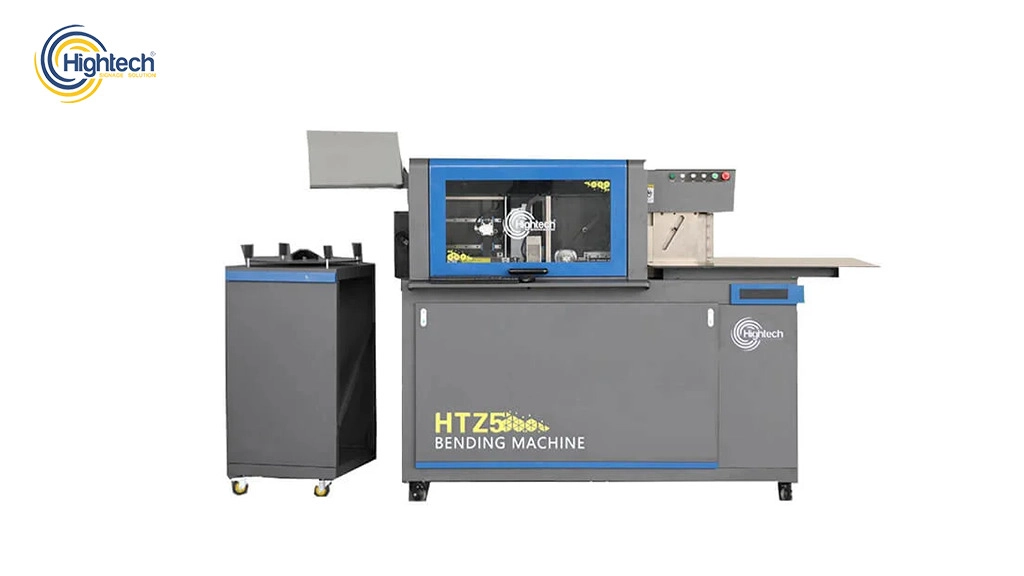
Table of Contents
Maintaining a channel letter bending machine is crucial for ensuring consistent, precise bends and extending the equipment’s lifespan. Regular maintenance reduces operational downtime, prevents unexpected breakdowns, and improves overall production efficiency. Many manufacturers underestimate the importance of systematic upkeep, which can lead to material waste, inaccurate bends, or costly repairs.
This guide provides a complete roadmap for channel letter bending machine maintenance, covering daily, pre-use, and post-use routines, advanced calibration, troubleshooting common issues, and safety precautions. Following these practices ensures your machine operates at peak performance, prolongs its life, and protects your investment in high-quality bending equipment.
Why Is Regular Maintenance Essential for Channel Letter Bending Machines?
Regular maintenance is essential because it ensures your channel letter bending machine operates reliably, produces precise bends, and lasts longer. Neglecting routine care can lead to misaligned rollers, increased wear on components, and unexpected downtime, all of which reduce productivity and increase operational costs.
A well-maintained machine consistently delivers high-quality results while minimizing material waste and the risk of errors. Additionally, proactive maintenance helps identify potential issues early, preventing minor problems from becoming major repairs. In high-volume production environments, consistent accuracy and reliability are critical to meeting client expectations and maintaining workflow efficiency.
Maintenance is not only about cleaning or lubrication; it encompasses calibration, monitoring hydraulic systems, and regular inspection of mechanical and electrical components. Operators who follow a structured maintenance routine can significantly reduce the likelihood of machine failures and improve overall operational efficiency.
Key benefits of regular maintenance:
- Ensures precise and consistent bends every time.
- Reduces downtime due to unexpected breakdowns.
- Extends the lifespan of machine components.
- Minimizes material waste and operational costs.
- Supports operator safety and reduces handling errors.
What Monthly and Pre-Use Maintenance Steps Should I Follow?
Daily and pre-use maintenance are the foundation of ensuring that your channel letter bending machine operates smoothly and efficiently. These tasks focus on preparing the machine for daily use and preventing potential issues before they start.
Cleaning and Dust Removal
Before operating the machine, it’s essential to clean any dust, debris, or metal shavings that may have accumulated. These can interfere with the machine’s movement, leading to inaccurate bends and potential damage. Use a soft cloth or air blower to remove dust from the machine’s exterior and interior, particularly around sensitive components such as the rollers, guides, and control panel.
Lubrication Points and Frequency
Lubricating moving parts reduces friction, preventing premature wear and tear. Focus on areas such as the rollers, drive shafts, and other mechanical parts that undergo constant movement. Regular lubrication ensures smooth operations, reduces strain on the machine, and helps maintain its performance.
Checking Belts, Rollers, and Guides
Inspect the belts, rollers, and guides for signs of wear, misalignment, or damage. These parts are critical for the accuracy of bends. If any component is loose or misaligned, it may lead to imprecise bending or machine malfunction. Adjust and replace components as needed to ensure proper operation.
How Should I Handle Post-Use Maintenance and Component Care?
Post-use maintenance is crucial for preserving the operational efficiency and longevity of your channel letter bending machine. This phase involves caring for the machine after it has been used to ensure it remains in optimal condition and ready for future tasks. Here are the key steps to follow after each use:
Cleaning and Protection
After each use, clean the machine thoroughly to remove any dust, metal particles, or debris that may have accumulated during the bending process. Pay special attention to sensitive areas such as the senores, guides, and control panels, as these parts are more prone to wear. For added protection, consider applying a rust-preventative solution to exposed metal parts to avoid corrosion, especially in machines used for bending stainless steel or aluminum.
What Advanced Maintenance Considerations Improve Machine Performance?
Advanced maintenance is essential for ensuring the channel letter bending machine operates at peak performance over its lifespan. Regular attention to these advanced considerations can improve the accuracy of bends, extend machine life, and reduce the likelihood of costly repairs.
Software Updates
One of the key aspects of advanced bending machine servicing is keeping the software up to date. As manufacturers often release software updates to improve functionality, address bugs, or enhance performance, it is essential to regularly check for and install these updates.
Inspecting Tools and Blades
The tools and blades used in channel letter machines experience significant wear over time, especially when working with metal sheet bending. Regularly inspect these tools for signs of wear or dullness, and replace them as needed. A dull blade can lead to imprecise cuts and affect the quality of the bends, leading to higher material waste. Replacing worn tools ensures better bending accuracy and efficiency in your operations.
Monitoring Production Quality
Regular monitoring of the production output is a critical part of advanced maintenance. By checking the quality of bends, bending machine calibration can be adjusted if discrepancies arise. Additionally, monitoring helps identify when the machine is performing at its best and when minor issues begin to affect the bend quality. Keeping an eye on the production quality also allows you to spot any early warning signs of potential breakdowns or inconsistencies, which can be addressed before they result in major downtime.
How Can I Extend the Lifespan of My Channel Letter Bending Machine?
Proper channel letter machine upkeep is essential for maximizing the lifespan of your bending machine. With regular maintenance, your machine will perform optimally for years, avoiding costly repairs and downtime. Below are some essential steps to help you extend the operational efficiency and longevity of your bending machine.
Creating a Maintenance Schedule
Establishing a regular preventive maintenance for bending machines is key to keeping your machine in top condition. By setting a schedule for daily, weekly, and monthly tasks, you can ensure that each aspect of the machine is maintained consistently. A well-planned schedule helps identify and address minor issues before they escalate into major problems, reducing the risk of unexpected breakdowns. It also ensures accurate bends and prevents unnecessary wear and tear on the machine components.
Keeping a Maintenance Logbook
One effective way to keep track of your bending machine servicing is by maintaining a logbook. This record should include the dates of inspections, the condition of key components, any maintenance or repairs performed, and the software updates installed. By keeping a detailed log, you can track patterns of wear and anticipate when future servicing might be needed. It also helps you identify if any part of the machine is becoming problematic, which can help avoid unnecessary repairs and downtime.
Training Operators for Safe Handling
Safety tips for bending machine maintenance cannot be overlooked. Proper training for operators is crucial in preventing accidents and ensuring the machine is used efficiently. Operators should be trained not only in how to use the machine but also in the importance of daily maintenance tasks, such as cleaning and lubrication, and the correct handling of materials. Educated operators can help identify potential issues early and take preventive action, thus extending the machine lifespan and enhancing bending machine calibration.
What Are the Common Issues and Troubleshooting Tips?
Regular maintenance and quick troubleshooting help prevent major issues and downtime in channel letter bending machines.
1. Extra Nodes in the Design File
One of the most common issues users face is the presence of extra nodes in the original design file. When creating letters or graphics in programs like CorelDRAW or Adobe Illustrator, it’s easy to end up with unnecessary nodes that are visible only when zooming in closely.
These extra nodes are interpreted as additional bends by the channel letter bending machine, which can result in inaccurate or rough bends.
Solution: Before exporting the file, always clean up your nodes and simplify paths to ensure smooth and accurate bending.
2. Incorrect Export File Version
Another frequent problem arises when the file is exported in the wrong format version. For optimal compatibility with bending machines, it’s essential to export your DXF, AI, or PLT files in versions prior to 2003.
Using newer file formats can lead to reading errors, broken paths, or missing shapes in the final design.
Solution: Always export in the appropriate version to avoid compatibility issues with your machine.
3. Size Differences (Too Long or Too Short Letters)
Sometimes, users notice that the final letters appear slightly longer or shorter than expected, even when the length calibration seems correct. This issue typically occurs because the offset was not accounted for during the cutting of the face material (e.g., acrylic, aluminum, etc.).
Offset Considerations:
- Laser Cutting: Offset = 0
- CNC Cutting: Offset depends on the bit size and whether you cut inline or outline.
Solution: Always select the correct offset based on the recommended chart provided with the machine. Using the right offset ensures that the return (side wall) aligns perfectly with the face of the letter.
When Should I Seek Professional Help for My Machine?
Sometimes, seeking professional help is necessary to prevent serious damage and ensure optimal performance.
- Recognizing Signs of Trouble
If the machine shows signs of irregular behavior—such as frequent jamming, strange noises, or inconsistent performance—it’s time to call for expert assistance. - Scheduling Routine Professional Inspections
To maintain peak performance and avoid unexpected issues, schedule routine inspections by professionals. They can identify early signs of wear and prevent costly repairs.
What Safety Measures Should I Follow During Maintenance?
Following proper safety measures prevents accidents and protects both the operator and the machine.
Key safety considerations include:
- Power Off and Lockout: Always switch off the machine and disconnect the power before starting maintenance.
- Use Protective Gear: Wear gloves, safety glasses, and appropriate clothing to prevent injuries.
- Handle Tools Carefully: Use the correct tools and follow manufacturer guidelines during servicing.
- Avoid Loose Components: Ensure no loose parts, screws, or debris remain in the machine before operation.
- Work in a Safe Environment: Maintain clean, well-lit, and organized workspaces to reduce hazards.
Frequently Asked Questions (FAQ)
1. How often should I service my channel letter bending machine?
Regular servicing is recommended every 1 year depending on usage, including preventive maintenance for bending machines to ensure operational efficiency and reduce material waste.
2. Can preventive maintenance improve bending accuracy?
Yes, preventive maintenance, including proper lubrication, calibration, and inspection of rollers and guides, ensures consistent bends and minimizes common bending machine issues.
3. What common mistakes shorten machine lifespan?
Neglecting regular upkeep, skipping lubrication, improper calibration, and ignoring small operational issues can decrease performance and shorten your channel letter machine’s lifespan.
4. Are there safety risks during maintenance?
Yes, improper handling of moving parts, electrical components, and hydraulic systems can cause injuries; follow safety tips for bending machine maintenance at all times.
5. What tools or products are recommended for maintenance?
Use manufacturer-recommended lubricants, cleaning agents, calibration tools, and protective gear to maintain efficiency and extend machine lifespan safely.
6. How can I troubleshoot minor machine jams myself?
Inspect rollers, belts, and guides, remove debris, and recalibrate carefully; regular bending machine servicing prevents recurrent jamming issues.
7. When should I call a professional for servicing?
Call professionals when unusual noises, persistent errors, or hydraulic/electrical malfunctions occur to prevent damage and ensure optimal performance.During the warranty period—and even afterward—please always inform your after-sales service team before performing any maintenance.
latest contents










2 thoughts on “Channel Letter Bending Machines Maintenance: A Complete Guide for Long-Term Performance”
Great post! One key point often overlooked in machine maintenance is cleaning the laser optics regularly. If neglected, it can impact performance, leading to inconsistent cuts or welds.
Absolutely — thank you for highlighting that! Regular cleaning of the laser optics is indeed essential. It not only keeps the cutting quality consistent but also helps extend the overall lifespan of the machine. We really appreciate your input!