


Blog
CO₂ Laser Cutting Explained | How It Works, Benefits, and Best Uses
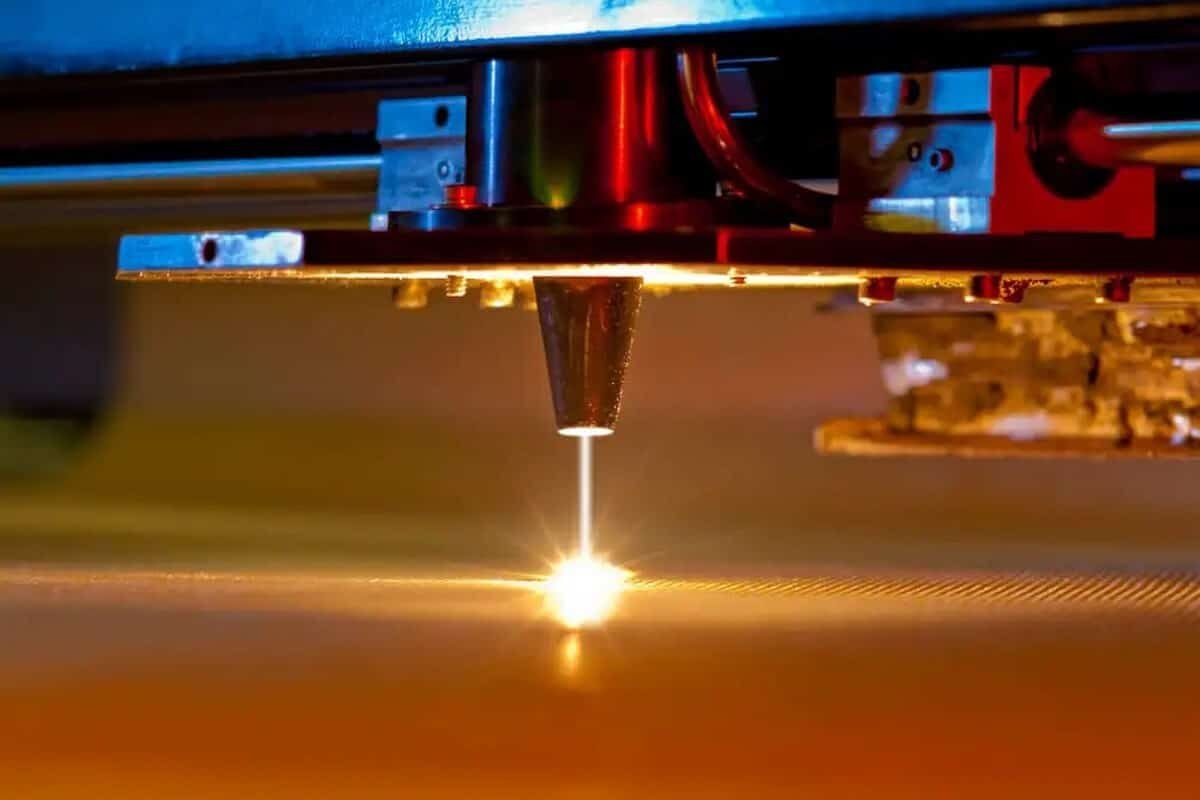
Table of Contents
CO2 laser cutting is a precise, contact-free cutting and engraving process that uses a focused carbon dioxide laser beam to process materials with clean edges, high accuracy, and minimal waste. In simple terms, a CO2 laser cutting machine converts laser energy into concentrated heat, allowing it to cut, engrave, mark, or shape materials along a programmed digital path.
This guide explains how CO2 laser cutting works, what a CO2 laser cutter is used for, and what materials a CO2 laser can cut. CO2 laser machining is especially effective for acrylic, wood, MDF, leather, paper, fabric, foam, rubber, and selected plastics, making it a popular technology for signage, packaging, advertising, prototyping, and custom fabrication.
What Is CO2 Laser Cutting?
CO2 laser cutting is a technique that uses a carbon dioxide gas laser to cut or engrave materials with high precision. The laser beam heats and melts the material along a defined path, allowing for intricate shapes, clean edges, and minimal material distortion. This method is particularly effective for non-metal materials like acrylic, wood, leather, and plastics, but with proper power settings, it can also cut thin metals.
Its versatility and precision cutting make it a cornerstone in both industrial and creative applications.
How Does a CO2 Laser Cutter Work?
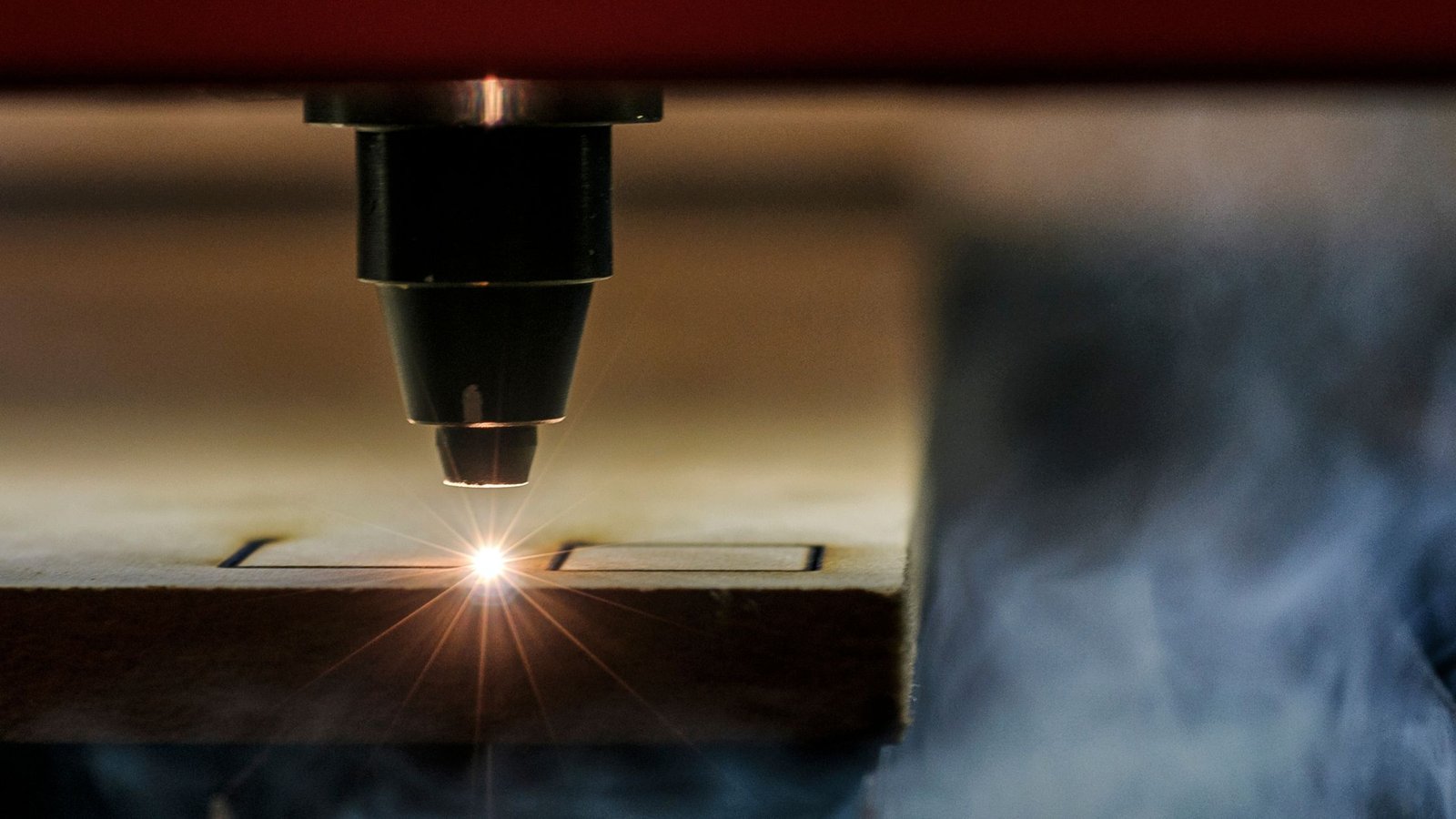
A CO2 laser cutter works by generating a high-energy infrared beam inside a carbon dioxide gas laser tube. The beam is guided through mirrors, focused by a lens, and directed onto the material surface. When the focused laser beam reaches the material, it heats, melts, burns, or vaporizes the target area along the programmed cutting path.
The CO2 laser cutting process starts with a digital design file. The operator imports the design into the machine software, sets the cutting parameters, places the material on the worktable, and adjusts focus, speed, and power. The laser head then follows the programmed path to cut, engrave, or mark the material.
The CO2 laser cutting machine working principle is based on concentrated heat energy. Because the beam is highly focused, it can create narrow cuts, smooth edges, and detailed shapes without physical contact. This reduces material deformation and makes laser CO2 cutting useful for acrylic, wood, paper, leather, plastics, signage, packaging, and custom fabrication.
Components of a CO2 Laser Cutting Machine
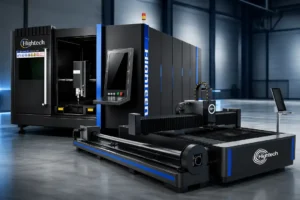
A CO2 laser cutting machine includes a laser source, optical system (mirrors and lenses), a worktable, and a control system.
These components work together to guide the beam accurately, control power output, and move the material or laser head for complex shapes.
Step-by-Step Cutting Process
Cutting steps are like below:
- Design the cutting path using CAD software.
- Load the material onto the machine’s worktable.
- Set laser parameters (power, speed, and focus).
- The laser follows the programmed path, cutting or engraving with precision.
- Post-cut cleaning may be applied to remove residues and improve edge quality.
Can a CO2 Laser Cut Metal?
Yes, a CO2 laser can cut metal, but it depends heavily on the machine power, metal type, thickness, assist gas, and optical configuration. Standard CO2 laser cutting machines are mainly designed for non-metal materials such as acrylic, wood, leather, paper, fabric, foam, and plastics. However, industrial CO2 laser systems with higher wattage and the right assist gas can cut certain thin metals.
For CO2 laser metal cutting, oxygen or nitrogen is usually required to improve cutting performance and edge quality. Thin carbon steel or mild steel can be cut with the right CO2 laser setup, but reflective metals such as aluminum, brass, copper, and some stainless steel grades are more challenging. In these cases, a fiber laser is usually faster, more efficient, and more cost-effective.
So, can a CO2 laser cut metal? Yes, but CO2 laser for metal cutting is best used in specific industrial applications where the material is thin, the machine is properly configured, and the production process does not require the speed of a fiber laser. For most sign shops, acrylic fabrication, packaging, wood cutting, engraving, and non-metal production remain the strongest CO2 laser machine uses.
What Can a CO2 Laser Cut?
What can a CO2 laser cut? A CO2 laser can cut and engrave a wide range of organic and non-metal materials, including acrylic, wood, MDF, plywood, leather, paper, cardboard, rubber, fabric, foam, and selected plastics. These CO2 laser materials absorb the 10.6-micron infrared laser beam effectively, which allows the machine to create smooth cuts, clean edges, and detailed engravings.
CO2 laser cutting is especially strong for acrylic signage, channel letter faces, display panels, packaging prototypes, decorative wood panels, leather products, textile patterns, craft items, and custom fabrication. This is why CO2 cutting is widely used in signage, advertising, packaging, furniture decoration, model making, and creative manufacturing.
However, not every material is safe or suitable for CO2 laser cutting. PVC should not be cut because it can release harmful chlorine gas and damage the machine. Some plastics may melt, discolor, or release unsafe fumes, so material compatibility should always be checked before production.
The main CO2 laser cutting capabilities include cutting, engraving, marking, scoring, etching, and prototyping. For businesses that work with mixed non-metal materials, CO2 laser cutting technology offers a flexible and cost-effective solution.
Key Advantages of CO2 Laser Cutting
CO2 laser cutting benefits offers over traditional cutting methods, making it a preferred choice for both industrial and creative applications.
High Precision and Accuracy
CO2 lasers provide extremely precise cuts, allowing intricate designs and consistent results across multiple materials. This accuracy reduces errors and minimizes material waste.
Versatility Across Materials
CO2 lasers can cut and engrave a wide range of materials, including acrylic, plastics, wood, leather, and thin metals. This flexibility makes them ideal for sheet metal cutting, signage, and craft projects.
Smooth Finishing and Reduced Waste
The focused laser beam produces clean edges, reducing the need for post-processing. Precision cutting ensures minimal scrap material, lowering costs and environmental impact.
Cost-Effectiveness for Production
Despite initial investment, CO2 laser cutting is economical for both small and large-scale production. Faster cutting speeds, less material waste, and reduced labor requirements enhance overall efficiency.
Common CO2 Laser Cutting Applications by Material and Industry
CO2 laser cutting is widely used because it can process many non-metal materials with high accuracy and consistent edge quality. From signage and packaging to furniture decoration and prototyping, CO2 laser machines help businesses produce customized parts faster and with less material waste.
Acrylic Signage and Channel Letter Production
Acrylic is one of the most popular materials for CO2 laser cutting. The laser can create smooth, polished edges without heavy post-processing, making it ideal for illuminated signs, display panels, nameplates, and channel letter faces. Sign makers often choose CO2 laser systems because they can cut complex curves, logos, and lettering with high repeatability.
Wood, MDF, and Plywood Cutting
CO2 laser cutters are commonly used for cutting and engraving wood-based materials such as MDF, plywood, veneer, and solid wood sheets. These applications include decorative panels, architectural models, furniture accents, custom gifts, craft items, and interior design elements. The machine can create detailed patterns that would be difficult or time-consuming with traditional cutting tools.
Leather, Fabric, and Textile Processing
Leather and fabric are excellent materials for CO2 laser processing because the laser cuts without mechanical pressure. This helps prevent material deformation and allows detailed designs on bags, shoes, garments, labels, patches, and upholstery products. In many cases, the laser also seals the cutting edge, reducing fraying on suitable synthetic textiles.
Paper, Cardboard, and Packaging Materials
CO2 laser cutting is useful for packaging prototypes, paper crafts, invitation cards, display boxes, and custom cardboard structures. Because the laser follows a digital design file, businesses can quickly test different packaging shapes and produce small batches without expensive molds or dies.

Plastic and Polymer Cutting
Many plastics can be cut or engraved with CO2 laser machines, including acrylic, ABS, PET, Delrin, and some engraving laminates. However, not all plastics are safe for laser cutting. For example, PVC should be avoided because it can release harmful chlorine gas and damage the machine. Before processing any plastic, users should confirm material compatibility and safety.
Thin Metal Cutting with CO2 Lasers
Many users ask, can CO2 laser cut metal? A CO2 laser can cut certain thin metals, especially when the machine has sufficient wattage and uses the correct assist gas, such as oxygen or nitrogen. However, metal cutting is not the strongest application for standard CO2 laser machines. For stainless steel, aluminum, brass, and thicker sheet metal, fiber laser cutting is usually faster, more efficient, and more cost-effective.
Prototyping and Custom Fabrication
CO2 laser cutting is also valuable for prototyping and custom fabrication because it allows fast design changes and precise production from digital files. Designers, engineers, and workshops can create test parts, display models, product samples, and one-off custom components without needing complex tooling.
CO2 Laser Cutting vs Fiber Laser Cutting
Comparing CO2 laser cutting with fiber laser technology helps businesses choose the right solution based on material, efficiency, and cost considerations.
CO2 vs fiber laser:
Speed and Efficiency
Fiber lasers generally cut metals faster due to higher absorption rates, while CO2 lasers excel in cutting non-metals like acrylic, wood, and plastics with smooth edges. CO2 machines are versatile but may operate slower on metals.
Material Compatibility
CO2 lasers work well on a wide range of materials, including acrylic, wood, leather, and some thin metals. Fiber lasers are more specialized for reflective metals like stainless steel and aluminum.
Operating Costs
CO2 lasers may have higher energy consumption for metal cutting but are cost-effective for non-metal applications. Maintenance is moderate, focusing on mirrors and gas supply, whereas fiber lasers require less upkeep but have higher initial costs.
Factors to Consider Before Choosing CO2 Laser Cutting
Selecting the right CO2 laser cutting machine depends on your project requirements, material types, and production goals.
Key factors include:
- Material Thickness: CO2 lasers handle thin to medium materials effectively; thicker metals may require fiber lasers.
- Production Volume: High-volume operations benefit from faster machines with automation features, while low-volume work can use standard systems.
- Maintenance and Operating Costs: Consider gas supply, mirror and lens upkeep, and energy consumption to minimize downtime and expenses.
- Material Compatibility: Ensure the laser can efficiently cut the intended materials, such as acrylic, plastics, wood, leather, or thin metals.
- Precision Requirements: Evaluate if the machine meets the desired precision cutting standards for intricate designs or signage applications.

Conclusion – Is CO2 Laser Cutting Right for You?
CO2 laser cutting offers precision, versatility, and efficiency for a wide range of materials. It is ideal for acrylic, wood, leather, plastics, and thin metals. Businesses benefit from smooth edges, reduced waste, and cost-effective production, making it a reliable choice for industrial, creative, and signage applications.
Find the Right Machine for Your Application
Frequently Asked Questions
Can a CO2 laser cut metal?
Yes, a CO2 laser can cut metal, but it depends on the machine power, metal type, material thickness, assist gas, and cutting settings. Standard CO2 laser cutters are mainly designed for non-metal materials, while high-power CO2 systems can cut some thin metals. For thicker or highly reflective metals, fiber laser cutting is usually the better choice.
Can CO2 laser cut metal as efficiently as a fiber laser?
No. A CO2 laser can cut some metals, but fiber lasers are generally faster and more efficient for metal cutting. Fiber lasers are especially suitable for stainless steel, carbon steel, aluminum, brass, and other reflective metals. CO2 lasers are usually preferred for acrylic, wood, leather, paper, fabric, and plastics.
What materials can a CO2 laser cut?
A CO2 laser can cut many materials, including acrylic, wood, MDF, plywood, leather, paper, cardboard, rubber, fabric, foam, and selected plastics. It can also cut some thin metals with the right configuration. Materials such as PVC should not be cut because they can release toxic fumes and damage the machine.
How does a CO2 laser cutter work?
A CO2 laser cutter works by generating a high-energy infrared laser beam inside a carbon dioxide gas tube. The beam is reflected by mirrors, focused through a lens, and directed onto the material. The focused heat melts, burns, or vaporizes the material along the programmed path, creating accurate cuts or engravings.
Is CO2 laser cutting good for acrylic?
Yes. CO2 laser cutting is highly suitable for signage businesses because it works well with acrylic, wood, plastics, engraving laminates, and other sign-making materials. It helps produce letters, logos, display panels, decorative signs, and custom advertising products with precise edges and repeatable quality.
What are the main advantages of CO2 laser cutting?
The main advantages of CO2 laser cutting include high precision, smooth edge quality, wide material compatibility, low material waste, flexible digital production, and strong performance for non-metal materials. These benefits make it useful for both industrial manufacturing and creative applications.
Is CO2 laser cutting good for acrylic?
Yes. CO2 laser cutting is one of the best methods for acrylic because it produces smooth, polished edges and accurate shapes. This makes it ideal for signs, displays, lightboxes, channel letters, and decorative panels.
Is CO2 laser for cutting metal better than fiber laser?
No. A CO2 laser can cut some thin metals, but fiber lasers are generally better for metal cutting. Fiber lasers usually provide faster cutting speed, better energy efficiency, and stronger performance on stainless steel, aluminum, brass, and thicker sheet metal.
When should you use CO2 laser for metal cutting industrial applications?
CO2 laser for metal cutting can be used in industrial applications when the material is thin, the machine is properly configured, and the project does not require high-speed metal production. It may be useful for prototypes, light sheet metal work, or mixed-material production. For heavy metal fabrication, fiber laser is usually preferred.
What is the difference between CO2 laser cutting and CO2 laser machining?
CO2 laser cutting focuses on separating or shaping material with a laser beam. CO2 laser machining is a broader term that may include cutting, engraving, marking, scoring, drilling, or surface processing with CO2 laser technology.
Latest contents

Prefer a callback? Share your details and requirements below.
Your details will only be used to respond to this request.