Blog
how to start a sign business from home

Table of Contents
Starting a sign business from home is a practical way to turn creativity into income without the costs of a traditional storefront. Many beginners wonder how to start a sign business from home with no money or how to run it entirely online. By focusing on a small, manageable niche like vinyl decals, banners, or engraved signs you can begin with minimal equipment and gradually expand.
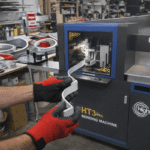
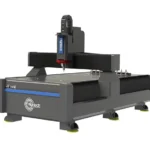
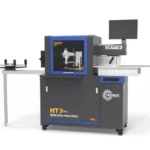
For example, Channel Letter Signmaking allows you to produce illuminated 3D letters using a Channel Letter Bending Machine and a complete sign builder kit. Similarly, CNC and Laser Signmaking using CNC Router 6040/6090 or CO₂ Laser 7050 enables precise cutting and engraving on materials like PVC, ACM, MDF, acrylic, wood, or metal plates.
A home-based setup allows flexibility in scheduling and low overhead, while an online presence helps attract local and remote clients. With clear planning, proper tools, and a professional approach, even a small home operation can grow into a sustainable, profitable business.
How to Start a Sign Business Step by Step
Launching a home-based sign business requires clear planning, a defined niche, and a structured workflow. Starting without a large storefront is possible, especially if you plan around how to start a sign business from home with no money or develop an online presence. Below are practical, machinery-oriented paths you can follow:
1. Choose Your Niche and Target Customers
Choosing a niche is critical as it defines the equipment you will invest in, your skills, and your target customers. Beyond vinyl decals or banners, two high-value paths are particularly effective for home-based businesses using specialized machines:
Traditional Vinyl Decals and Banners
These are lightweight, easy to produce, and ideal for testing your business. Equipment includes a computer, vinyl cutter/plotter, laminator, and basic hand tools. Ideal for schools, small businesses, or online clients.
Channel Letter Sign Business From Home
This niche focuses on illuminated or 3D letters for storefronts, offices, or restaurants. Key tools:
- Channel Letter Bending Machine + Sign Builder Kit
- Basic hand tools and safe workspace for bending, welding, and assembling letters
Clients typically include small businesses, retail stores, and local franchises. Starting small, producing sample letters, and creating mockups for nearby shops can quickly build a portfolio.
CNC and Laser Sign Making From Home
This path covers a variety of materials such as PVC, ACM, MDF, wood, and acrylic. Machines include:
- CNC Router 6040/6090 for cutting and engraving
- CO₂ Laser 7050 for acrylic and wood engraving or cutting
Target customers include interior designers, gift shops, real estate offices, and event planners. By offering custom engraved signs or panels, you can command higher prices while maintaining a home-based production setup.
2. Validate Your Business Idea
Before investing in equipment or materials, it is essential to confirm that there is a demand for your chosen products. Research local and online competitors to see what types of signs they offer and at what prices. Reach out to local businesses to understand their signage needs or offer a few sample products to friends, family, or community groups.
This step will help you refine your product selection, identify your target audience, and minimise the risk of spending money on products that may not sell. Testing your ideas with small, low-cost projects also allows you to gather feedback and improve your offerings before scaling.
3. Handle the Legal Basics from Home
Even when operating from home, your sign business is a real business and must comply with legal requirements. Handling the legal basics early protects your assets, builds credibility, and prevents fines or business interruptions. A home-based setup still requires proper registration, licensing, and attention to local regulations. You should treat this stage seriously, as legal compliance forms the foundation for long-term growth and customer trust.
When setting up your business legally:
- Choose a business structure: Decide between sole proprietorship, LLC, or equivalent, depending on liability and tax considerations.
- Register your business name: Protect your brand and ensure no one else uses it locally.
- Obtain required licenses: Some areas require home-occupation permits or small business licenses.
- Open a business bank account: Keep finances separate and simplify bookkeeping.
- Check zoning and HOA rules: Ensure your workspace complies with local parking, storage, or noise restrictions.
- Consider insurance: Liability insurance protects against accidental damage or claims during production or installation.
Note: Even if your operations are small, establishing legal compliance demonstrates professionalism to clients and partners. It also allows you to confidently expand your offerings or scale online without future legal complications.
4. Set Up a Simple Home Workspace
A well-organized home workspace is essential for efficiency, safety, and professionalism in a home-based sign business. Even a small area can function effectively if planned carefully. Choose a room, garage corner, or spare space with enough room for production, storage, and design work. Proper lighting and ventilation are critical, especially when using adhesives, sprays, or lasers. An orderly space helps prevent mistakes, protects materials, and allows smooth workflow.
Key considerations for your workspace:
- Worktable: Cutting, weeding, and assembling signs.
- Storage: Keep vinyl rolls, sign blanks, and tools organised.
- Lighting: Bright, even lighting for precision work.
- Ventilation: Ensure safe airflow for chemicals or dust.
- Safety: Fire extinguisher and basic protective gear if needed.
5. Start With Essential Equipment Only
Starting your home-based sign business with essential equipment helps keep costs low while still producing professional-quality work. You don’t need every tool at once, focus on what is necessary for your niche and gradually expand as your business grows.
For a vinyl sign or small banner operation, a reliable computer and monitor are essential for designing and preparing layouts. Design software can start free, such as Inkscape or Canva, with the option to upgrade to Adobe Illustrator or CorelDRAW as your skills and client demand increase. A vinyl cutter or plotter allows precise cutting of decals and lettering, while a laminator and basic hand tools, including squeegees, cutting mats, utility knives, and rulers, ensure clean, durable finishes.
Start with a small stock of sign blanks, such as yard signs or acrylic panels, and outsource large prints or complex jobs until investing in a wide-format printer or laser cutter becomes necessary.
6. Build Your Offer, Pricing, and Process
Once your workspace and equipment are ready, defining your products, pricing, and workflow is essential for efficiency and professionalism. Start by deciding exactly what you will offer, such as vinyl decals for windows, vehicle lettering, yard signs, or engraved house numbers. Clear product definitions help you standardize production, communicate effectively with clients, and manage costs.
Pricing should reflect material expenses, labor time, and design effort, ensuring your business remains profitable. Establish a consistent workflow that covers every stage from initial inquiry to delivery or installation. This approach not only saves time but also builds client trust and allows smooth scaling.
Key elements to structure your workflow:
- Product definition: List services and specifications clearly.
- Pricing strategy: Material cost + labor + design fee.
- Standardized process: Inquiry → quote → deposit → design → production → delivery/installation.
- Client communication: Maintain consistent updates and professional correspondence.
7. Look Professional From Day One
Even as a home-based business, appearing professional is crucial for attracting clients and building trust. A simple website or portfolio page showcasing your services, photos of past work, and contact information creates credibility. Use a professional email address and consistent branding, including a logo, colours, and fonts. Maintain a small portfolio by completing a few initial projects for friends or local businesses, then display testimonials. This approach reassures clients and sets a strong foundation for growth.
8. Get Your First Customers Locally
Acquiring your first customers is a critical step in establishing a home-based sign business. Focus on clients within your local area where you can easily deliver, install, or meet in person if needed. Begin by identifying businesses or individuals who are likely to need new or updated signs, such as shops with outdated storefronts, local tradespeople, schools, or community organisations. Networking and personal outreach often yield faster results than broad advertising. Establishing trust early helps generate referrals and repeat business.
Tips to attract your first local clients:
- Visit local shops: Offer mockups for outdated signs.
- Cold-email or call small businesses: Introduce your services professionally.
- Partner with related businesses: Work with real estate agents, print shops, or marketing agencies.
- Leverage your online presence: Optimise Google Business Profile for local search visibility.
- Offer referral incentives: Encourage word-of-mouth by rewarding satisfied clients.
9. Control Quality and Costs
Maintaining consistent quality while controlling costs is essential in a professional home-based sign business, especially when using machines like a Channel Letter Bending Machine, CNC Router, or CO₂ Laser. Beyond materials and labor, production workflow and file preparation play a critical role in efficiency and product quality. Correctly preparing files in formats such as AI, DXF, or SVG ensures smooth cutting, engraving, or bending without errors.
A typical production workflow includes: design → nesting/layout → cutting/engraving → bending → assembling → finishing. Each stage requires careful attention: ensure precise measurements, account for material kerf, check for burn marks or burrs from laser or CNC cutting, and maintain proper alignment and level of letters during assembly.
Key steps for controlling quality and costs:
- Use reliable materials: Durable vinyl, acrylic, ACM, or metal sheets prevent warping, fading, or breakage.
- File preparation: Export and verify AI, DXF, or SVG files for correct scale, line paths, and cut order.
- Track production time and resources: Record machine time, material usage, and labor for accurate pricing.
- Quality checkpoints: Measure cut pieces, inspect kerf, remove burrs, check burn marks, and align letters precisely.
- Avoid overproduction: Only produce what is confirmed in orders to reduce waste and unnecessary cost.
By combining machine-optimized file preparation, a structured workflow, and careful quality inspection, you can deliver professional signage efficiently, reduce errors, and build trust with clients while keeping your business profitable.
10. Plan How You’ll Grow
Once your home-based sign business has established a steady workflow and satisfied local clients, planning for growth becomes essential. Growth doesn’t necessarily mean immediately moving into a larger space; it can involve expanding services, increasing production efficiency, or reaching new customer segments.
Consider offering complementary services such as logo design, basic branding packages, or social media graphics to attract a wider range of clients. Monitor which products are most popular and gradually invest in additional equipment, like wide-format printers or laser cutters, only when demand justifies it.
Scaling thoughtfully ensures that quality and professionalism remain high, while also enabling you to increase revenue sustainably without overextending resources. Strategic growth planning positions your business to expand both locally and online, ultimately creating a profitable and reputable brand.
How to Start a Channel Letter Sign Business From Home
Channel Letter signage is one of the most profitable areas in the sign industry, offering high-value products for retail stores, offices, restaurants, and franchises. With a Channel Letter Bending Machine and a complete sign builder kit, a home-based operation can produce professional 3D letters efficiently and safely.
Essential Tools and Materials
To get started, you will need:
- Channel Letter Bender + Sign Builder Kit: For accurate bending of metal or aluminum letters.
- Acrylic Face Panels: Colored or clear acrylic for illuminated fronts.
- LED Modules and Power Supplies: For long-lasting illumination inside letters.
- Trim Caps and Mounting Accessories: To finish edges and secure letters professionally.
- Basic Hand Tools: Screwdrivers, rivets, measuring tools, and protective gear.
B2B-Focused Sales Strategy
Channel Letter projects are often B2B, involving contracts with:
- Sign shops and installers needing subcontracted letter bending.
- Franchises and retail chains requiring consistent signage across multiple locations.
- Contractors and building developers ordering illuminated letters for commercial projects.
To succeed:
- Build a small portfolio of sample letters to demonstrate quality and accuracy.
- Offer competitive pricing based on size, materials, and LED configuration.
- Establish relationships with local sign companies or agencies as a reliable subcontractor.
- Provide design support and mockups for client approval before production.
By focusing on Channel Letter signage, a home-based business can target higher-margin B2B projects, stand out from typical vinyl decal or banner operations, and grow steadily while leveraging specialized equipment that other small shops may not have.
What Essential Equipment Do You Need for a Home Sign Shop?
Starting a sign business from home doesn’t require a huge investment, but having the right tools is crucial for efficiency, quality, and professionalism. Focusing on essential equipment allows you to produce professional results while keeping overhead low. Begin with basic tools and gradually expand as your business grows and client demand increases.
Computer and Monitor
A reliable computer and large monitor are essential for designing signs, preparing files for cutting or printing, and managing orders efficiently.
Design Software
Use tools like Adobe Illustrator, CorelDRAW, or free options such as Inkscape and Canva to create accurate, professional designs.
Vinyl Cutter or Plotter
This equipment allows precise cutting of decals, lettering, and custom shapes, which is a core tool for most home sign operations.
Laminator
Protects outdoor signage from weather and enhances durability, especially for banners or vinyl decals.
Hand Tools
Include squeegees, cutting mats, utility knives, rulers, and measuring tapes to ensure clean application and assembly.
Sign Blanks and Materials
Stock essential items such as yard signs, acrylic panels, or coroplast sheets to start fulfilling orders immediately.
Storage and Lighting
Organised shelving, racks, and bright lighting improve workflow, reduce errors, and keep materials safe.
Common Mistakes Starting a Sign Shop from Home
Even experienced entrepreneurs can stumble when starting a home-based sign business. Understanding common mistakes helps you avoid wasted time, money, and frustration. Many issues arise from underestimating equipment needs, legal compliance, pricing, or marketing. Being aware of these pitfalls allows you to plan effectively and establish a solid foundation for growth.
Overinvesting in Equipment Too Early
Buying expensive printers, cutters, or lasers before validating your niche can tie up capital unnecessarily. Start small, focus on essential tools, and upgrade only when demand justifies it.
Ignoring Legal and Zoning Requirements
Failing to obtain licenses, permits, or insurance, or disregarding local zoning rules can lead to fines, forced shutdowns, or legal disputes. Always confirm requirements before starting production.
Underpricing Products
New entrepreneurs often underestimate materials, labor, and design costs. Setting prices too low reduces profitability and undervalues your work. Track costs carefully and price services to cover expenses and generate profit.
Neglecting Portfolio and Branding
Operating without a portfolio, website, or consistent branding makes it harder to gain clients’ trust. Even a small selection of projects with photos and testimonials can make a significant difference.
Trying to Serve Too Many Niches
Focusing on too many product types spreads resources thin and can reduce quality. Start with one or two niches to master production, pricing, and marketing.
FAQ About How to start a sign business from home online
Is a sign business profitable?
Yes, with low startup costs and high-margin products, a home-based sign business can generate consistent income.
How much does it cost to start a sign business?
Startup costs vary, but basic operations can begin around $500–$1,500, depending on equipment and materials.
latest contents