


Blog
Sheet Metal Bending Services | Hightech industry
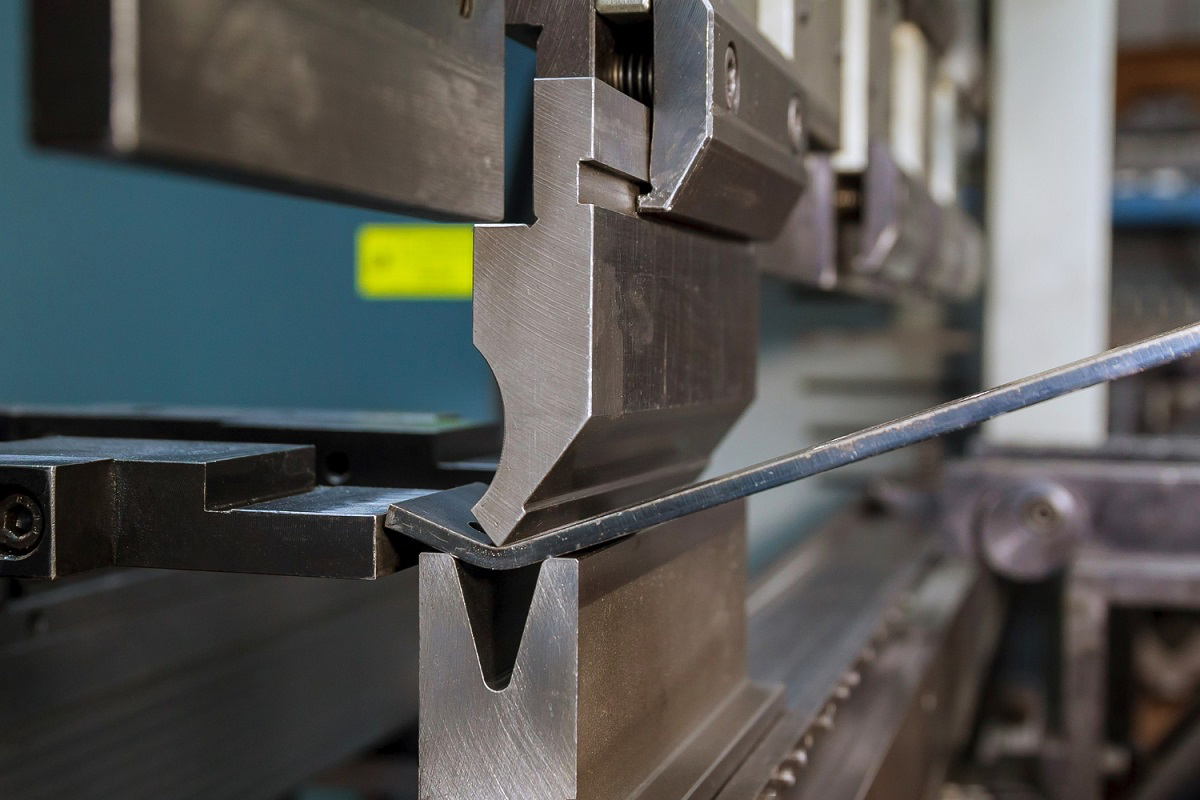
Table of Contents
Sheet metal bending is a fundamental process in modern manufacturing that allows flat metal sheets to be shaped into precise and functional forms. It plays a critical role in industries ranging from construction and automotive to medical and food processing. Each type of metal—aluminum, galvanized steel, stainless steel, copper, brass, or carbon steel, offers unique properties that influence how it is bent and where it is best applied.
Understanding the characteristics, benefits, and applications of different metals is essential for efficient and effective sheet metal bending services. By mastering these techniques, manufacturers can produce durable, accurate, and functional components for a wide range of industrial needs.
Aluminum Sheet Bending (Lightweight & Flexible)
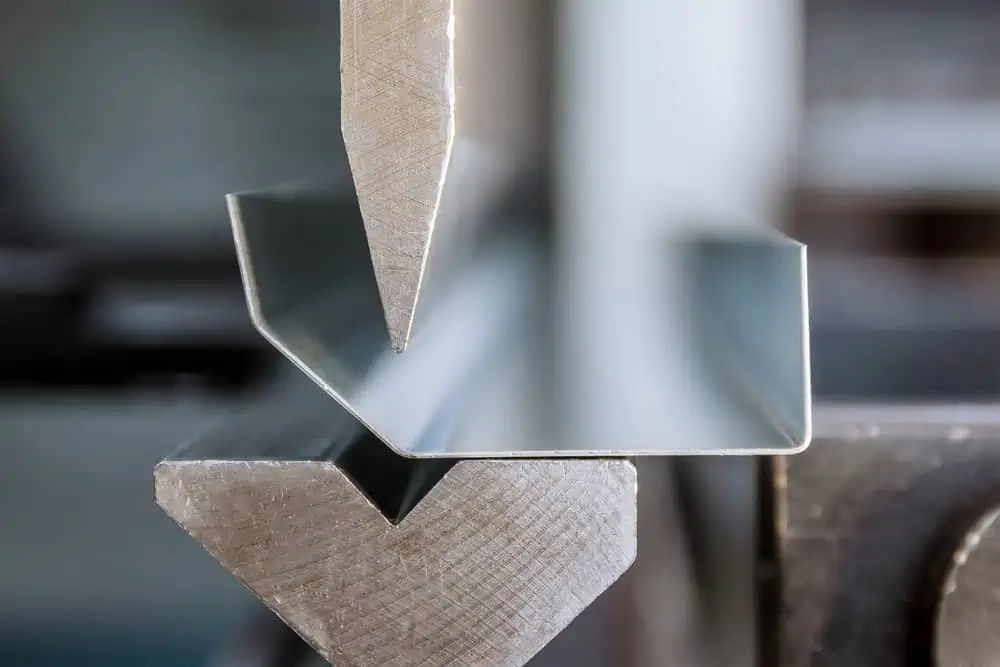
Aluminum is one of the most popular metals for sheet bending due to its lightweight, corrosion resistance, and excellent malleability. These properties make it easy to form into various shapes without compromising strength, which is why aluminum is widely used in industries that require both durability and flexibility.
The metal’s softness allows for smoother bends and fewer defects, making it ideal for projects where precision and aesthetics are important. Whether creating panels for transportation, architectural elements, or signage, aluminum sheet bending offers versatility and efficiency for manufacturers.
Benefits of Aluminum Sheet Bending
Aluminum sheet bending offers several advantages that make it a preferred choice in many industries:
- Lightweight, reducing overall component weight
- Excellent corrosion resistance for long-lasting durability
- High malleability allows complex shapes without cracking
- Cost-effective material for both structural and aesthetic applications
- Smooth bends suitable for precise and visually appealing components
Hightech Industry Group
Common Applications of Aluminum Sheet Bending
Aluminum sheet bending is widely applied across industries such as automotive, aerospace, construction, and signage. Typical applications include:
- Automotive body panels and structural parts
- Aerospace components and aircraft panels
- Architectural elements like building facades and interior fixtures
- Signage, decorative panels, and channel letters
- Industrial enclosures and equipment housings
Galvanized Steel Bending (Construction & HVAC Use)
Galvanized steel is widely used in construction and HVAC industries due to its combination of strength and corrosion resistance. The zinc coating on galvanized steel protects it from rust and environmental damage, making it highly durable for both indoor and outdoor applications. This material is ideal for creating structural panels, ductwork, and other components that must maintain their shape and integrity over time.
Bending galvanized steel requires precise control to avoid damaging the protective zinc layer. If the coating is scratched or cracked during bending, the exposed metal may corrode, reducing the lifespan of the component. Using modern bending techniques and properly calibrated equipment ensures that the metal retains its protective properties while achieving accurate and consistent bends.
Why Galvanized Steel is Perfect for Bending
Galvanized steel is particularly suitable for bending because it balances strength with flexibility. It can be shaped into a wide range of angles and curves without losing structural integrity, which is crucial for construction beams, roofing panels, and HVAC ducts.
The material’s toughness allows it to withstand mechanical stress during bending, while the zinc coating ensures long-term performance even in harsh environments. Proper bending techniques also help maintain the metal’s smooth surface and prevent deformation, making galvanized steel a reliable choice for industrial applications where precision and durability are essential.
Stainless Steel Bending (Medical, Food & Architecture)
Stainless steel is a versatile and high-strength material widely used in medical equipment, food processing, and architectural applications. Its corrosion resistance, hygienic surface properties, and aesthetic appeal make it ideal for environments that demand both durability and cleanliness. Bending stainless steel allows manufacturers to create functional components such as surgical instruments, kitchen equipment, structural panels, and decorative elements.
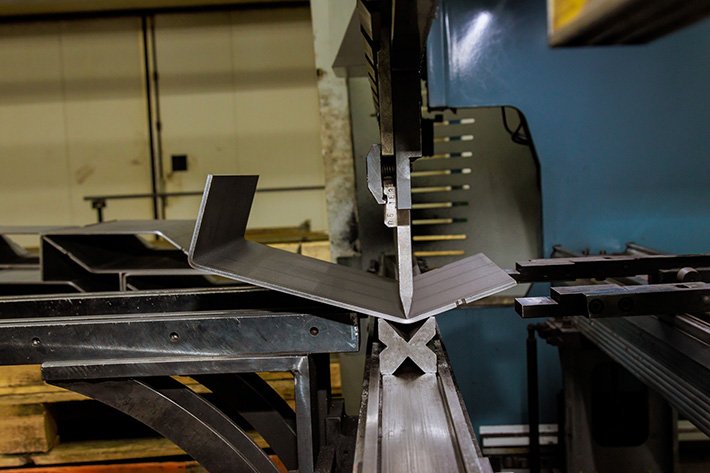
Bending stainless steel requires specialized techniques because of its high strength and tendency to spring back after forming. Precision and control are essential to achieve the desired angles without compromising the material’s integrity. Advanced bending machines and methods, such as CNC-controlled press brakes, help ensure accurate results while maintaining the smooth, polished finish that stainless steel is known for.
Advantages of Stainless Steel Sheet Bending
Bending stainless steel offers several important benefits that make it ideal for a wide range of industrial applications:
- Produces durable components that resist corrosion and maintain structural strength.
- Allows complex shapes and tight curves without cracking.
- Maintains a smooth and polished surface, essential for medical and food industry standards.
- Provides both functional performance and aesthetic quality for architectural and decorative uses.
Popular Uses in Modern Industries
Stainless steel bending finds applications across a variety of industries. In the medical field, it is used to form surgical tools, trays, and equipment housings. In food processing, bent stainless steel panels and containers ensure sanitary handling and durability. Architectural applications include curved facades, handrails, and decorative elements that require both strength and visual appeal.
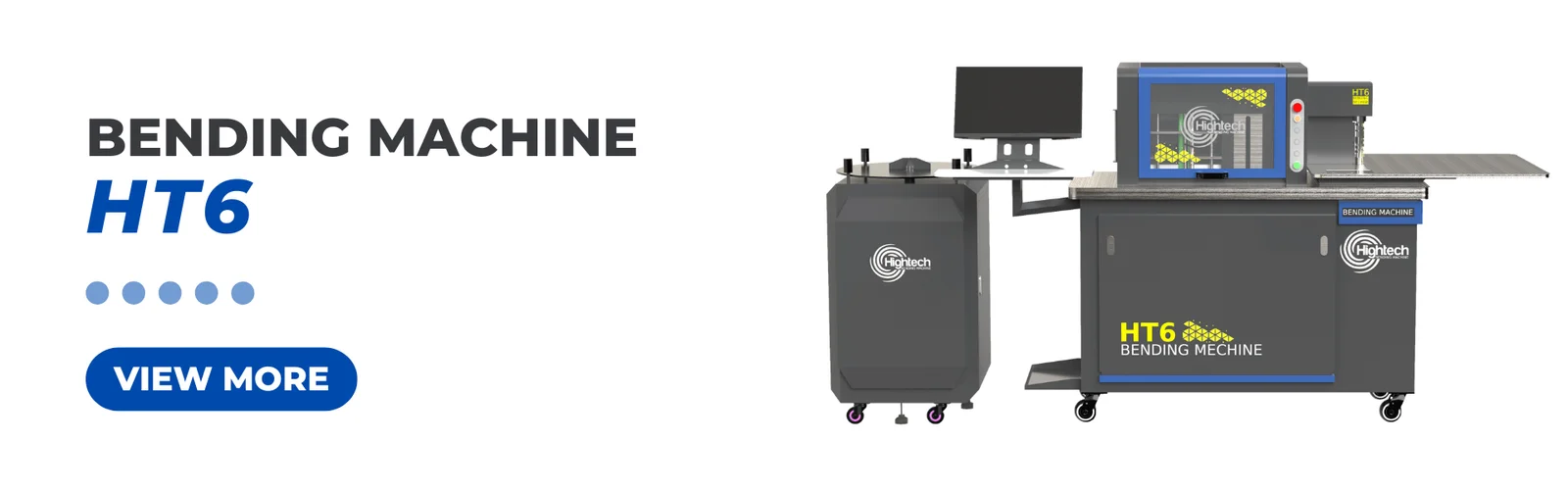
Modern equipment, such as the HT6 Channel Letter Bending Machine, enables manufacturers to achieve precise and consistent bends in stainless steel sheets. This machine ensures that complex shapes and tight curves are formed accurately while preserving the smooth, polished surface required for medical, food, and architectural applications. By combining advanced machinery with the properties of stainless steel, industries can produce high-quality components efficiently and reliably.
Other Metals in Bending (Copper, Brass, Carbon Steel)
Besides aluminum, galvanized steel, and stainless steel, other metals such as copper, brass, and carbon steel are commonly bent in various industrial applications. Copper sheet bending and brass sheet bending are valued for their malleability, corrosion resistance, and attractive appearance, making them suitable for decorative elements, electrical components, and plumbing fixtures. Their softness allows for precise shaping with minimal risk of cracking or deformation.
Carbon steel bending, on the other hand, is strong and durable, making it ideal for structural applications where high strength is required. Bending carbon steel requires controlled force and precise machinery to prevent cracking or unwanted deformation. With proper techniques and equipment, these metals can be formed into functional components while maintaining their mechanical properties and surface quality.
Conclusion – Why Metal Bending Matters
Metal bending is a crucial process in modern manufacturing, allowing materials like aluminum, galvanized steel, stainless steel, copper, brass, and carbon steel to be shaped into precise, functional, and durable components. Each metal offers unique properties that influence its bending process and applications, from lightweight aluminum panels to strong carbon steel structures.
Mastering precision sheet metal bending ensures efficiency, accuracy, and quality across industries, making it an essential skill for producing reliable, long-lasting products in construction, automotive, medical, food, and architectural sectors.
Find the Right Machine for Your Application
Latest contents

Prefer a callback? Share your details and requirements below.
Your details will only be used to respond to this request.