

CO2 Laser Cutting and Engraving Machines
Process acrylic, wood, MDF, plywood, leather, fabric, paper, cardboard, rubber, double-color board, and selected plastics with professional CO2 laser cutting and engraving systems for compact, workshop, and large-format production.
In 100+ Countries
On-site or Remote
Ready to Ship Globally
Quick Response 24/7
Our CO2 Laser Cutting and Engraving Models
Compare compact engraving systems, mid-format workshop machines, lifting-bed configurations, and large-format CO2 laser models based on your materials, working area, laser power, cutting thickness, and daily production requirements.
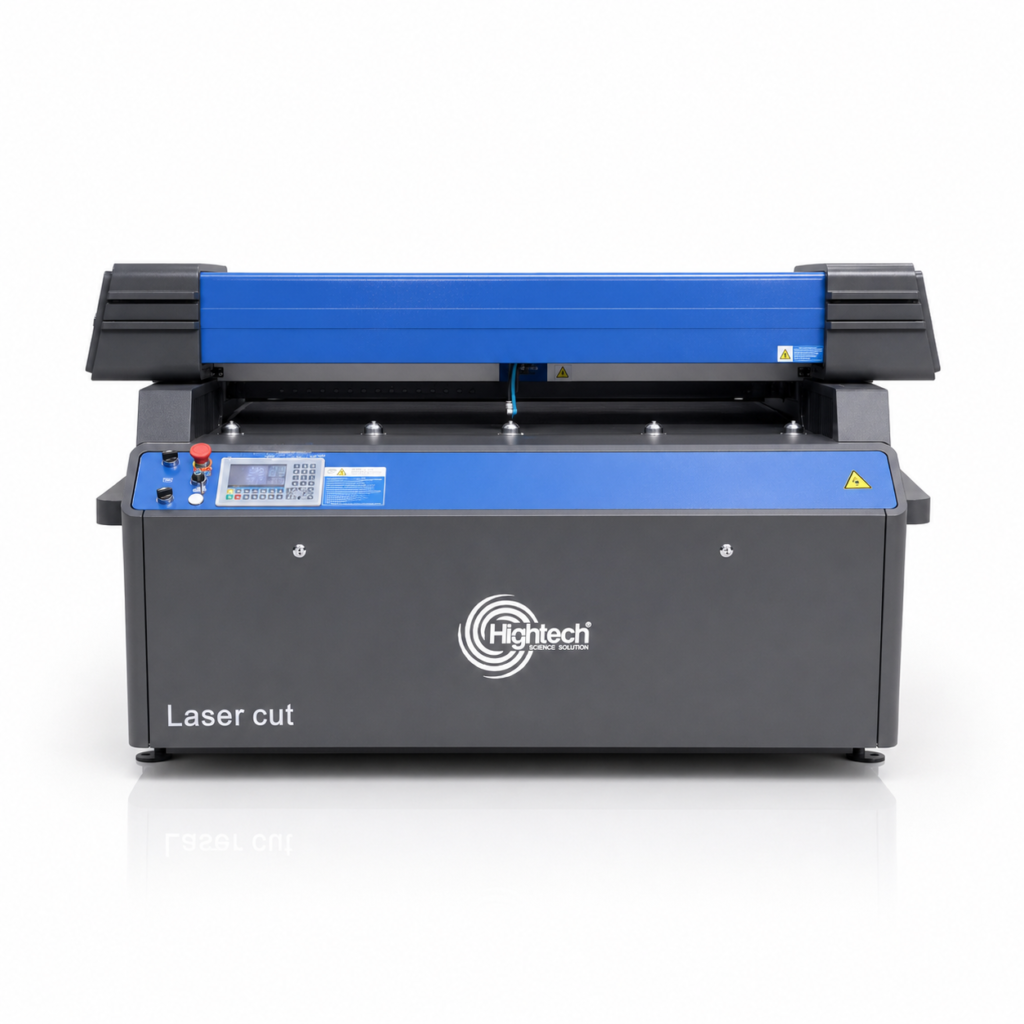
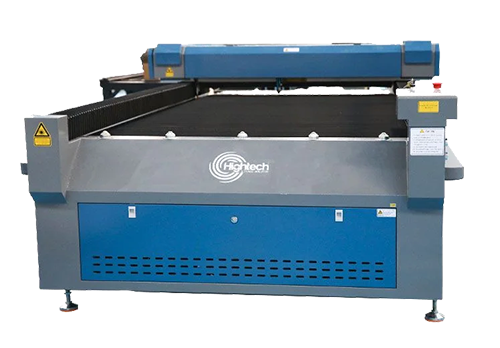
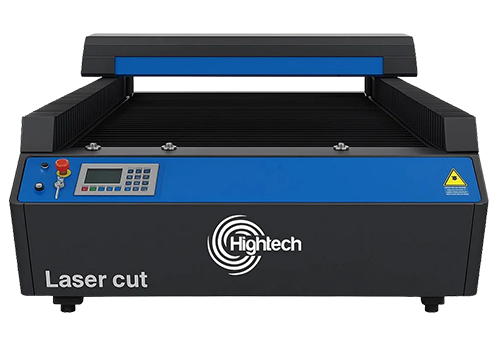
Corte e gravação a laser CO2 HT-1325
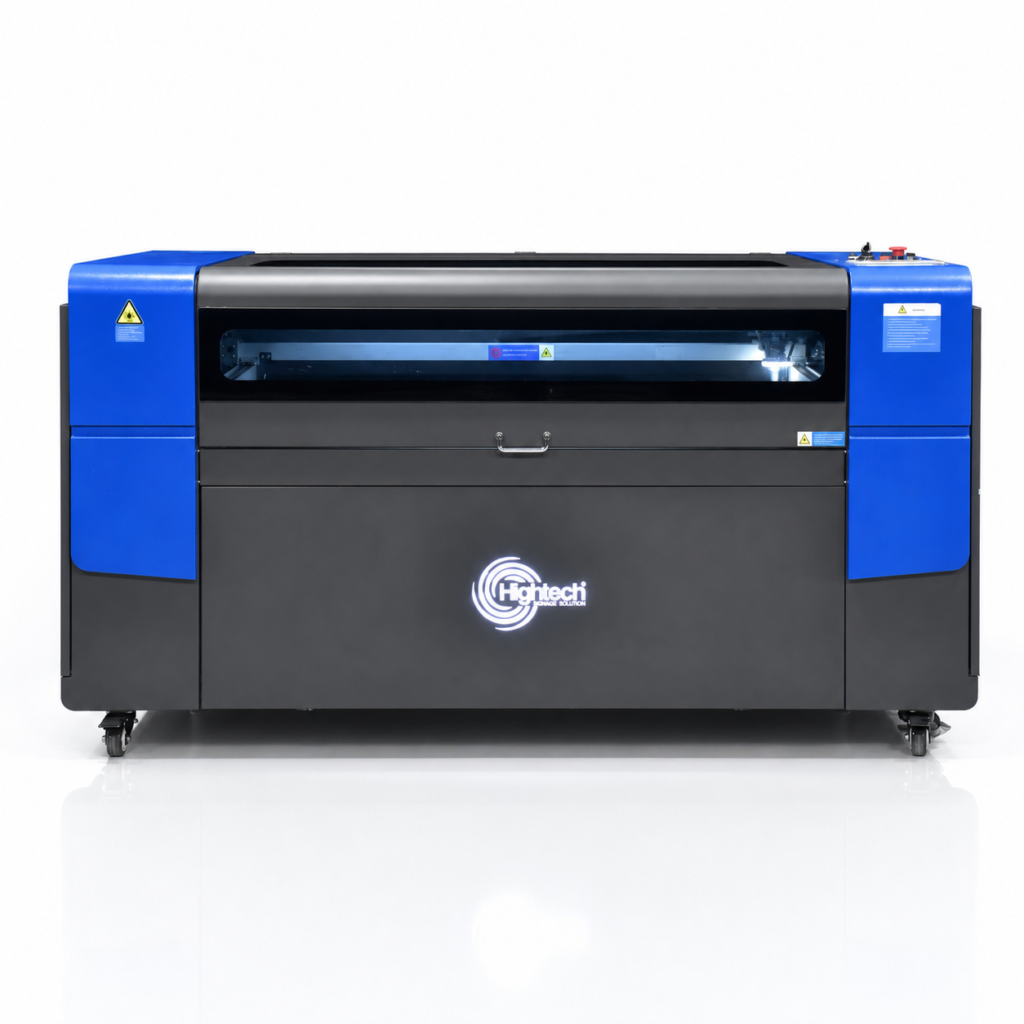
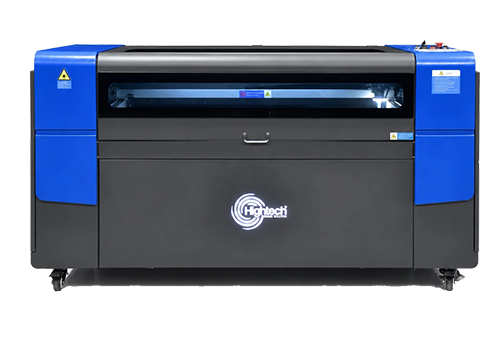
Máquina de corte a laser CO2 HT CO2-1390
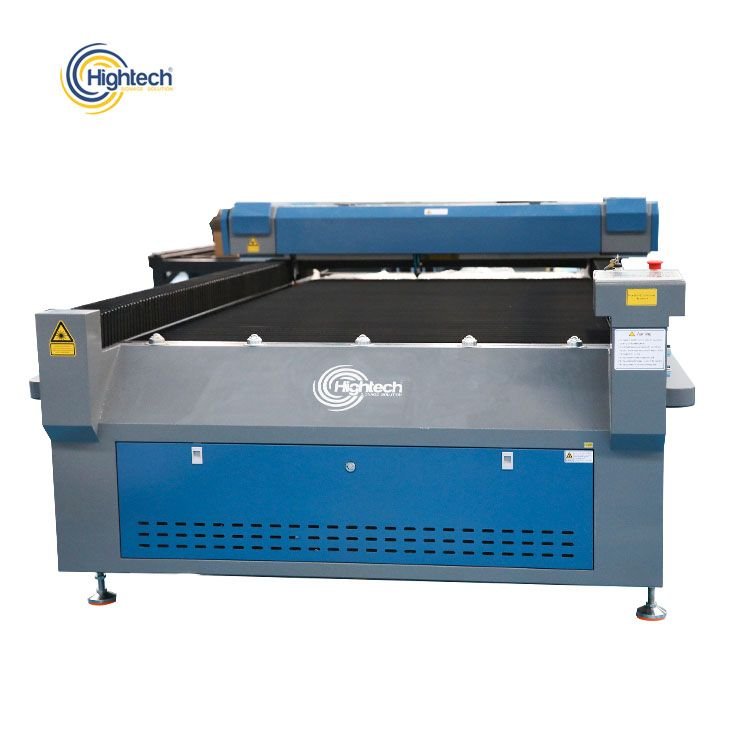
Máquina de corte a laser CO2 HT CO2-1530
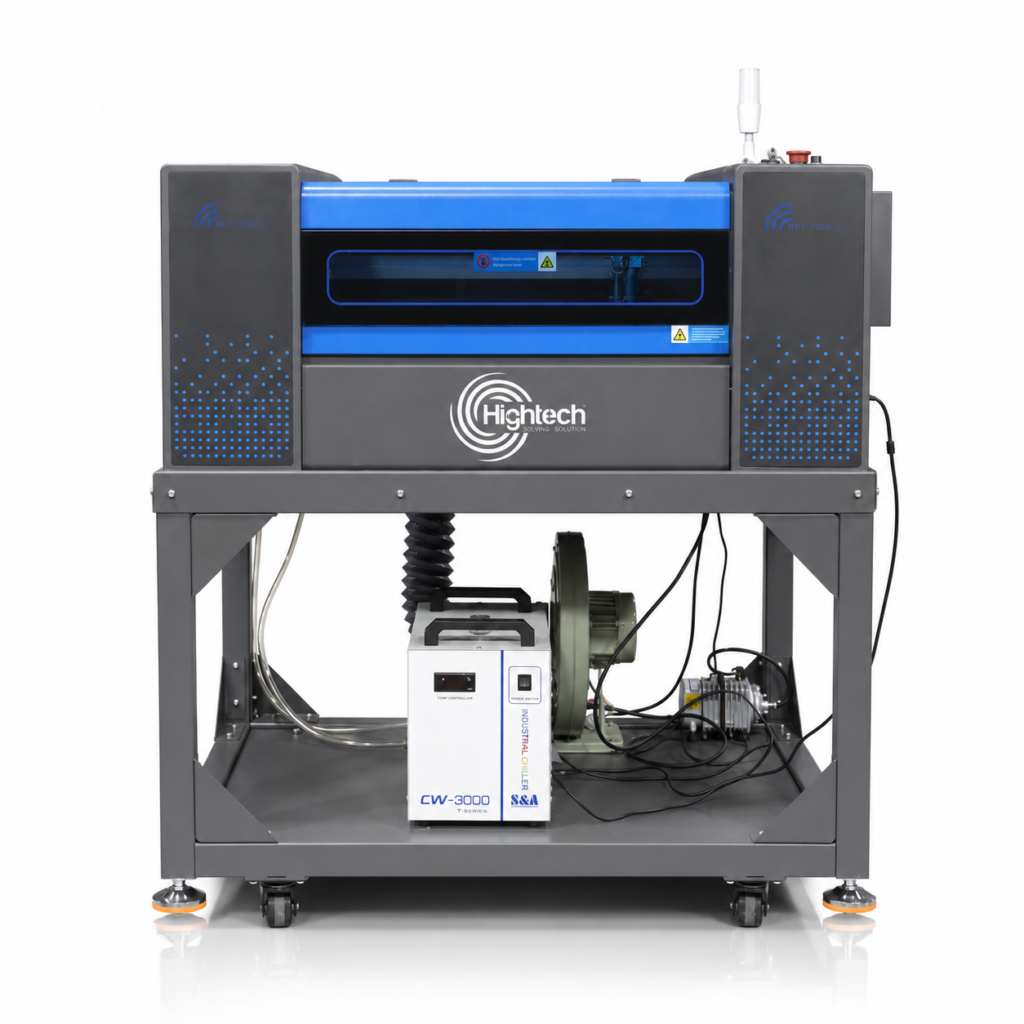
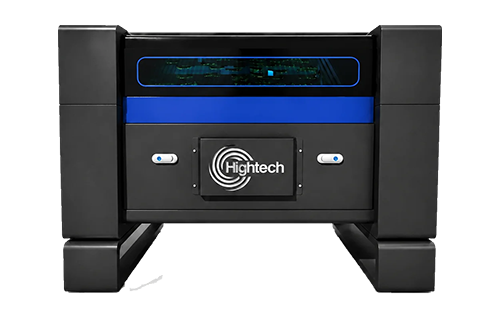
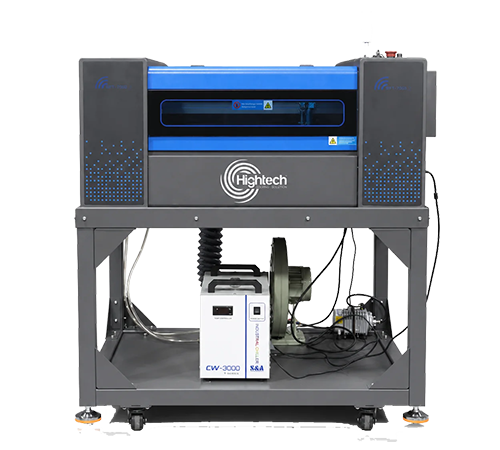
Máquina de corte a laser CO2 HT CO2-7050 Z
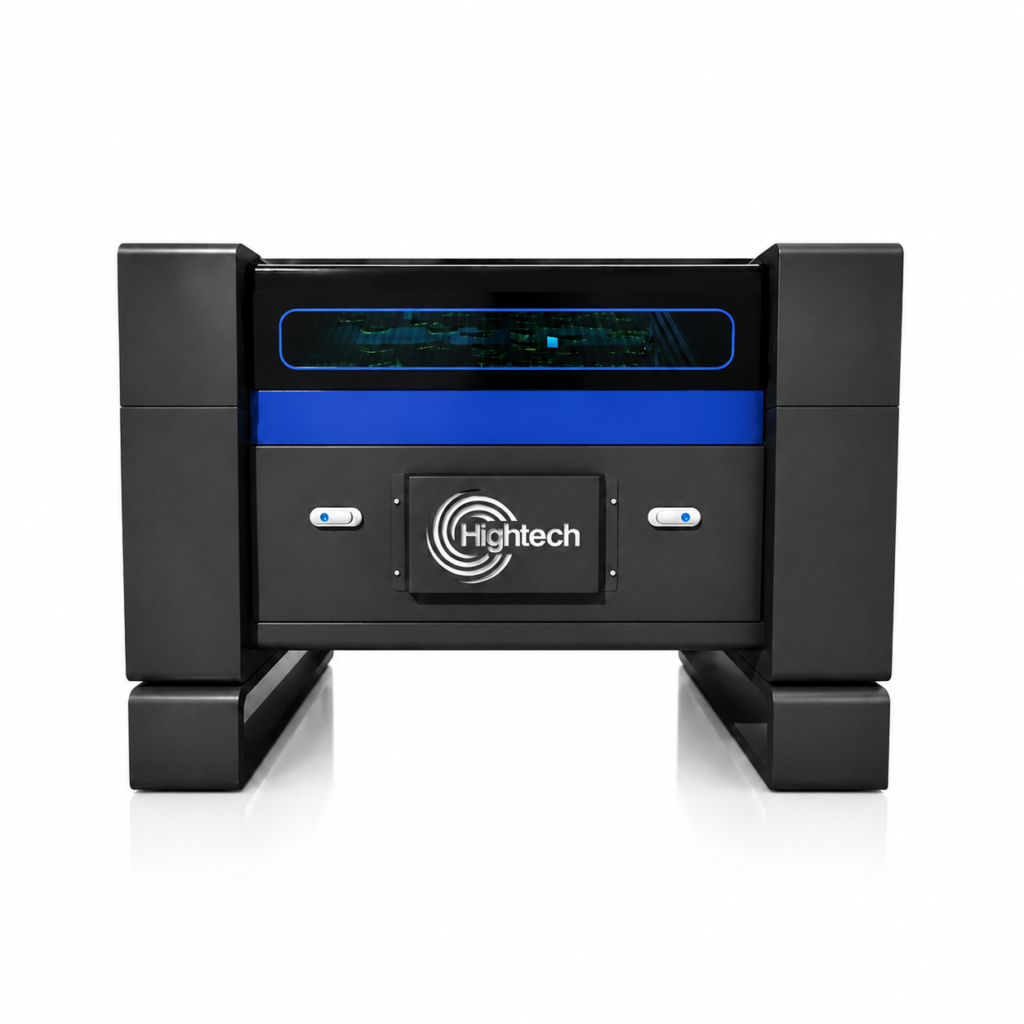
Máquina de corte a laser CO2 HT CO2-6040
How to Choose the Right CO2 Laser Cutting and Engraving Machine
Choose a CO2 laser based on your material size, required power, cutting thickness, engraving applications, production volume, available workshop space, and the need to process taller or cylindrical objects.
By Working Area
Choose a bed size that accommodates your most common sheets or finished products, from compact 400 × 600 mm work to large-format 1500 × 3000 mm production.
By Laser Power and Material Thickness
Match the laser power to the material type, thickness, required cutting speed, engraving detail, and expected daily workload.
By Cutting and Engraving Requirements
Determine whether your workflow requires through-cutting, vector line engraving, raster images, surface marking, or a combination of these processes.
By Lifting Bed and Rotary Engraving
Choose a lifting platform and compatible rotary attachment when engraving bottles, logs, cylindrical products, or taller three-dimensional objects.
By Production Volume and Workshop Space
Compare compact, mid-format, and large-sheet machines according to available floor space, batch size, sheet handling, and expected production output.
Compare Hightech CO2 Laser Cutting Machine Models
Compare working areas, published laser power options, recommended applications, lifting capabilities, and production roles across the five Hightech CO2 laser formats.
| Compare | HT CO2-6040 | HT CO2-7050 Z | HT CO2-1390 | HT-1325 | HT CO2-1530 |
|---|---|---|---|---|---|
| Best For | Compact signage, gifts, crafts and samples | Detailed engraving, taller objects and cylindrical products | Sign shops, acrylic fabrication and general workshop use | Large-format signage, woodworking and sheet processing | Large sheets and industrial-scale production |
| Working Area | 400 × 600 mm | 700 × 500 mm | 1300 × 900 mm | 1300 × 2500 mm | 1500 × 3000 mm |
| Laser Power |
60W, 80W, 100W, 130W, 150W, 180W, 250W | 50W or 60W |
60W, 80W, 100W, 130W, 150W, 180W, 250W |
60W, 80W, 100W, 130W, 150W, 180W, 250W |
60W, 80W, 100W, 130W, 150W, 180W, 250W |
| Controller & File Formats |
Ruida DSP AI, AutoCAD, BMP, CorelDRAW, DXF, PLT, RLD |
LaserCAD / RDWorks V8 BMP, DSP, DWG, DXF, JPG, PLT, PNG |
Ruida DSP AI, AutoCAD, BMP, CorelDRAW, DXF, PLT, RLD |
Ruida DSP AI, AutoCAD, BMP, CorelDRAW, DXF, PLT, RLD |
Ruida DSP AI, AutoCAD, BMP, CorelDRAW, DXF, PLT, RLD |
| Published Speed |
Engraving: 0–1200 mm/s Cutting: 0–600 mm/s |
Engraving: 1000 mm/s Cutting speed not published |
Engraving: 0–1200 mm/s Cutting: 0–600 mm/s |
Engraving: 0–80,000 mm/min Cutting: 0–60,000 mm/min |
Engraving: 0–1200 mm/s Cutting: 0–600 mm/s |
| Supported Materials |
Acrylic, Density Board, Double-Color Board, Leather, Paper, Wood Board |
Acrylic, Cardboard, Cloth, Glass, Leather, Marble, Rubber, Two-Color Board, Wood |
Acrylic, Density Board, Double-Color Board, Paper, Wood Board |
Acrylic, Density Board, Double-Color Board, Leather, Paper, Wood Board |
Acrylic, Density Board, Double-Color Board, Leather, Paper, Wood Board |
| Special Configuration |
Optional rotary shaft Optional lifting platform |
200 mm lifting bed
Blade, optional flat plate or honeycomb platform |
Optional rotary shaft Optional lifting platform |
Optional rotary shaft Optional lifting platform |
Double-head configuration
Autofocus laser-head design |
| Product Page | View CO2-6040 | View CO2-7050 Z | View CO2-1390 | View HT-1325 | View CO2-1530 |
Why Choose Hightech CO2 Laser Machines?
Five Machine Formats for Different Production Needs
Choose from compact engraving machines, lifting-bed systems, mid-format workshop models, and large-format equipment for full-sheet and higher-volume production.
Multiple Cutting and Engraving Capabilities
One CO2 laser system can support material cutting, vector line engraving, raster images, relief work, and controlled surface marking for customized or repeated production.
Flexible Power, Controller and Accessory Options
Available configurations include multiple laser powers, Ruida DSP or compatible control systems, lifting beds, rotary attachments, water cooling, and single- or double-head arrangements.
Training and Long-Term Technical Support
Available services include setup guidance, operation training, remote technical assistance, spare-parts support, worldwide shipping, a one-year warranty, and long-term after-sales service.
Materials and CO2 Laser Applications
Hightech CO2 laser machines process a broad range of non-metallic materials for signage, woodworking, packaging, textile, leather, display, craft, and personalized production.
Acrylic and Double-Color Board
Produce acrylic letters, illuminated sign components, logos, display panels, identification plates, and detailed decorative parts.
Wood, MDF and Plywood
Cut or engrave furniture components, decorative panels, craft products, models, templates, gifts, and architectural details.
Leather, Fabric and Textiles
Create patterns, garment components, accessories, footwear parts, personalized leather products, and accurately shaped textile pieces.
Paper, Cardboard and Packaging
Process boxes, labels, paperboard, packaging prototypes, invitations, product inserts, and customized promotional materials.
Rubber and Selected Plastics
Cut or engrave approved rubber and plastic materials after confirming their composition, coating, thickness, and laser compatibility.
Glass, Stone and Cylindrical Objects
Engrave supported glass, stone, bottles, logs, and other cylindrical non-metal products using compatible lifting and rotary configurations.
Frequently Asked Questions
What is a CO2 laser cutting and engraving machine?
A CO2 laser cutting and engraving machine is a computer-controlled system that uses a focused CO2 laser beam to cut, engrave, or mark mainly non-metal materials.
What materials can a CO2 laser cutting machine process?
Common materials include acrylic, wood, MDF, plywood, leather, fabric, paper, cardboard, rubber, double-color board, and selected plastics. Compatibility should be confirmed before processing coated, laminated, or chemically treated products.
Can a CO2 laser cutting machine cut metal?
The machines in this category are primarily intended for non-metal materials. Businesses processing steel, aluminum, copper, brass, or other metals should consider a fiber laser cutting machine.
What CO2 laser power do I need?
The required laser power depends on the material, thickness, desired engraving detail, cutting speed, and expected daily production. The final configuration should be selected after reviewing the specific application.
Which working area should I choose?
Choose a working area large enough for your most common sheets or finished products. Available formats range from 400 × 600 mm for compact production to 1500 × 3000 mm for large-sheet and higher-volume processing.
What is the difference between CO2 laser cutting and engraving?
Cutting passes through the material to create separate parts. Engraving modifies only the surface to create text, graphics, identification marks, textures, or decorative patterns.
Which software and file formats are supported?
Compatibility varies by model and may include Ruida, RDWorks, LaserCAD, AutoCAD, CorelDRAW, AI, DXF, BMP, PLT, DWG, JPG, PNG, and RLD.
Can a CO2 laser engrave bottles and cylindrical objects?
Yes. A compatible rotary attachment rotates the object during engraving. The machine must also provide enough lifting height and internal clearance for the product diameter. The HT CO2-7050 Z includes a 200 mm lifting platform.
Do Hightech CO2 laser machines include training and warranty?
Available services may include setup guidance, operation training, remote technical assistance, spare-parts support, a one-year warranty, and long-term after-sales service. Exact terms should be confirmed in the final quotation.
Which CO2 laser model is right for my business?
The right model depends on your materials, maximum sheet size, cutting thickness, engraving requirements, workshop space, need for rotary or lifting accessories, and expected daily output.